Career

Heritage Conservation Architect

Heritage Conservation Architect

Heritage Conservation Architect


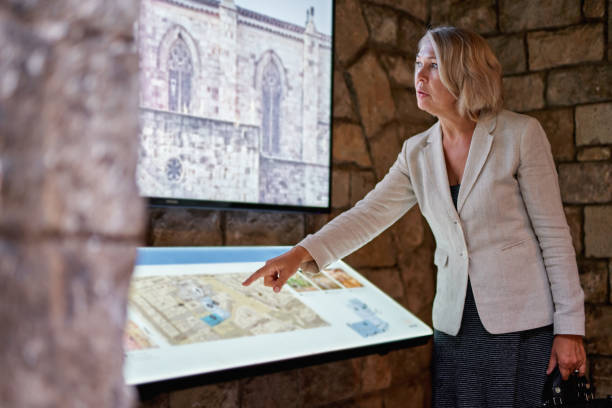
A Heritage Conservation Architect is a professional dedicated to preserving, restoring, and managing historic buildings, monuments, and cultural sites, ensuring their architectural integrity and cultural significance are maintained for future generations. They work in government heritage departments, private architectural firms, non-profit organizations, museums, and international conservation bodies, collaborating with historians, archaeologists, engineers, and policymakers. Heritage Conservation Architects play a critical role in safeguarding cultural heritage in a world increasingly focused on sustainable preservation, cultural identity, and historical continuity amidst rapid urbanization.
 

Career Description

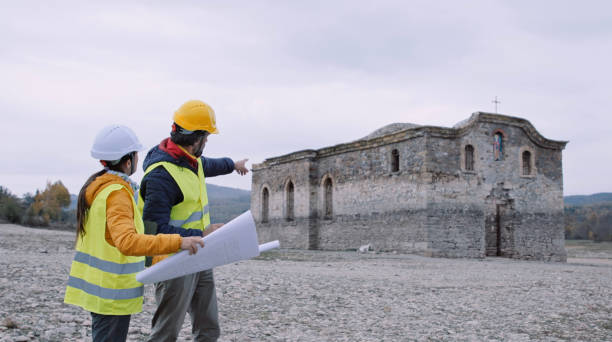
Heritage Conservation Architects are experts in architectural history and conservation techniques, responsible for assessing, planning, and executing restoration projects on heritage structures while adhering to strict guidelines to protect their historical and aesthetic value. Their role involves research, documentation, and project management, often working in diverse settings such as historic sites, conservation offices, or community engagement events. They combine expertise in traditional building methods, modern conservation technologies, and cultural sensitivity to address issues like structural decay, environmental damage, and inappropriate modern interventions. As key contributors to cultural preservation, they help maintain historical legacies in an era prioritizing heritage tourism, sustainable restoration, and cultural education.

 

Roles and Responsibilities

  • Heritage Assessment and Documentation
    • Conduct detailed surveys and assessments of historic structures to evaluate their condition, materials, and historical significance.
    • Document architectural features, damages, and past interventions through drawings, photographs, and reports.
  • Conservation Planning
    • Develop conservation plans and strategies to restore or preserve heritage sites while maintaining authenticity and integrity.
    • Recommend appropriate materials and techniques that match the original construction methods of the structure.
  • Restoration and Repair
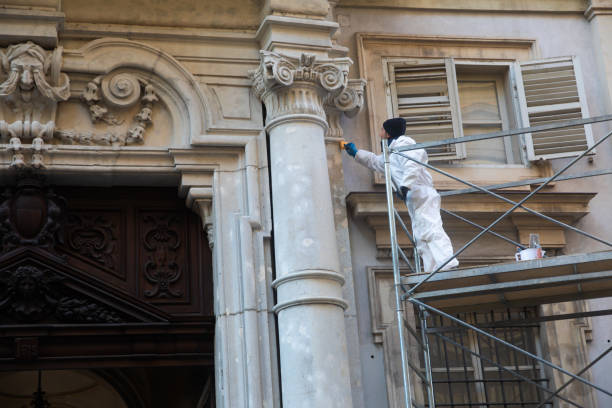
    • Oversee restoration projects, ensuring repairs to damaged elements like facades, roofs, or interiors respect historical accuracy.
    • Supervise the use of traditional craftsmanship or modern conservation methods to stabilize structures.
  • Regulatory Compliance
    • Ensure projects comply with national and international heritage laws, such as those set by ASI (Archaeological Survey of India) or UNESCO.
    • Prepare documentation for heritage listing, grants, or legal permissions required for conservation work.
  • Stakeholder Engagement
    • Collaborate with local communities, heritage organizations, and government bodies to gain support for conservation initiatives.
    • Educate stakeholders on the importance of preserving cultural heritage and sustainable conservation practices.
  • Research and Analysis
    • Research the historical context, architectural style, and cultural significance of heritage sites to inform conservation decisions.
    • Analyze environmental factors like climate or pollution that may impact the longevity of historic structures.
  • Adaptive Reuse Planning
    • Design plans for adaptive reuse of heritage buildings, transforming them for modern use while preserving their historical essence.
    • Balance functionality with conservation to ensure structures remain relevant without losing cultural value.
  • Project Monitoring and Reporting
    • Monitor ongoing conservation projects to ensure adherence to plans, budgets, and timelines.
    • Prepare detailed reports on project progress and outcomes for clients, funding bodies, or regulatory authorities.


Study Route & Eligibility Criteria

RouteSteps
Route 1

1. 10+2 with Physics, Chemistry, Mathematics (PCM) or Arts with relevant subjects.

2. Bachelor’s degree in Architecture (B.Arch) (5 years).

3. Gain practical experience through internships or training in heritage conservation projects or architectural firms (3-6 months).

4. Pursue entry-level roles like Junior Conservation Architect or Heritage Assistant (1-2 years).

Route 2

1. 10+2 with PCM or Arts with relevant subjects.

2. Bachelor’s degree in Architecture (B.Arch) or History of Art (3-5 years).

3. Master’s degree in Heritage Conservation, Architectural Conservation, or Historic Preservation (2 years, optional).

4. Work in heritage restoration or conservation documentation roles to gain experience (1-2 years).

5. Transition to Heritage Conservation Architect roles with enhanced skills and knowledge.

Route 3

1. 10+2 with PCM or Arts with relevant subjects.

2. Bachelor’s degree in Architecture (B.Arch) or related field (3-5 years).

3. Pursue professional certifications like Certificate in Heritage Conservation or UNESCO-ICCROM courses (1-2 years).

4. Gain hands-on experience through roles in heritage site assessments or restoration projects (1-2 years).

5. Establish a career as a Heritage Conservation Architect in government or private sectors.

Route 4

1. 10+2 with PCM or Arts with relevant subjects.

2. Bachelor’s degree from India in Architecture or related field (3-5 years).

3. Pursue international conservation certifications or advanced degrees abroad (1-2 years).

4. Gain exposure through roles in global heritage conservation projects or international organizations (1-2 years).

5. Work as a Heritage Conservation Architect in international markets or global heritage bodies.


Significant Observations (Academic Related Points)

  • Architectural Foundation: Strong knowledge of architectural history, traditional building techniques, and design principles is essential for heritage conservation.
  • Practical Skills: Hands-on training in restoration techniques and site documentation builds core competencies in preservation.
  • Specialized Certifications: Credentials in heritage conservation or historic preservation enhance professional credibility.
  • Regulatory Expertise: Familiarity with heritage laws and conservation guidelines is crucial for project compliance.
  • Cultural Sensitivity: Understanding historical and cultural contexts ensures respectful and authentic restoration.
  • Certification Relevance: Some positions may mandate specific certifications from recognized heritage or architectural bodies.
  • Continuous Learning: Regular training is needed to keep up with evolving conservation technologies and methodologies.
  • Global Awareness: Knowledge of international heritage conservation standards opens opportunities for cross-border roles.
  • Precision Focus: Attention to detail is vital for accurate documentation and restoration of historic elements.
  • Entrance Exam Preparation: Admission to certain programs or competitive roles may require clearing entrance tests.
  • International Standards: For global roles, qualifications or certifications from international conservation organizations may be required.


Internships & Practical Exposure

  • Mandatory practical training during degree programs at historic sites or conservation projects for real-world insights.
  • Rotations in heritage organizations or architectural firms for hands-on experience in restoration and documentation.
  • Internships under senior conservation architects for exposure to real-time heritage assessment and project planning.
  • Observerships in government heritage departments like ASI for insights into regulatory processes and conservation policies.
  • Participation in heritage conservation workshops and restoration simulations for practical skill development.
  • Training in traditional building techniques and modern conservation tools through real-world engagements at historic sites.
  • Exposure to tools like 3D scanning, photogrammetry, and conservation management software during internships.
  • Field projects on monument restoration, adaptive reuse, or heritage documentation during training.
  • Community outreach programs to engage locals in heritage preservation and raise awareness of cultural significance.
  • International heritage conservation attachments for global exposure to diverse preservation challenges and standards.


Courses & Specializations to Enter the Field

  • Certificate in Heritage Conservation
  • Bachelor’s in Architecture (B.Arch)
  • Master’s in Heritage Conservation, Architectural Conservation, or Historic Preservation
  • Ph.D. in Heritage Studies or Architectural History
  • Specialization in Restoration of Historic Structures
  • Certification in Conservation Techniques and Materials
  • Workshops on Heritage Documentation and Photogrammetry
  • Training in Adaptive Reuse of Historic Buildings
  • Specialization in Cultural Heritage Management
  • Certification in UNESCO-ICCROM Heritage Conservation Programs


Top Institutes for Heritage Conservation Architect Education (India)

InstituteCourse/ProgramOfficial Link
School of Planning and Architecture (SPA), New DelhiM.Arch in Architectural Conservationhttps://www.spa.ac.in/
Centre for Environmental Planning and Technology (CEPT) University, AhmedabadM.Arch in Conservation and Regenerationhttps://www.cept.ac.in/
Indian Institute of Technology (IIT), RoorkeeM.Arch in Conservationhttps://www.iitr.ac.in/
Sir J.J. College of Architecture, MumbaiB.Arch/M.Arch with Heritage Focushttps://www.sirjjarchitecture.org/
Anna University, ChennaiM.Arch in Conservationhttps://www.annauniv.edu/
National Institute of Technology (NIT), TrichyB.Arch/M.Arch with Heritage Electiveshttps://www.nitt.edu/
Jadavpur University, KolkataB.Arch/M.Arch with Conservation Focushttps://www.jaduniv.edu.in/
Malaviya National Institute of Technology (MNIT), JaipurB.Arch/M.Arch in Conservationhttps://www.mnit.ac.in/
Amity University, NoidaB.Arch/M.Arch with Heritage Studieshttps://www.amity.edu/
Deccan College Post-Graduate and Research Institute, PuneMA in Archaeology and Heritage Managementhttps://www.deccancollegepune.ac.in/


Top International Institutes

InstitutionCourseCountryOfficial Link
University College London (UCL)MA in Cultural Heritage StudiesUKhttps://www.ucl.ac.uk/
University of YorkMA in Conservation of Historic BuildingsUKhttps://www.york.ac.uk/
Columbia UniversityMS in Historic PreservationUSAhttps://www.columbia.edu/
Delft University of TechnologyMSc in Architecture (Heritage Focus)Netherlandshttps://www.tudelft.nl/
ETH ZurichMaster in Monument Preservation and Heritage ConservationSwitzerlandhttps://www.ethz.ch/
University of MelbourneMaster of Cultural HeritageAustraliahttps://www.unimelb.edu.au/
University of British ColumbiaMaster of Architecture (Heritage Focus)Canadahttps://www.ubc.ca/
Technical University of Munich (TUM)MSc in Conservation and RestorationGermanyhttps://www.tum.de/
University of CopenhagenMA in Heritage StudiesDenmarkhttps://www.ku.dk/
National University of Singapore (NUS)Master of Arts in Architectural ConservationSingaporehttps://www.nus.edu.sg/


Entrance Tests Required

India:

  • NATA (National Aptitude Test in Architecture): For admission to B.Arch programs at institutes like SPA and CEPT.
  • JEE Main (Paper 2): For admission to B.Arch programs at NITs and other central institutes.
  • GATE (Graduate Aptitude Test in Engineering): For admission to M.Arch programs in conservation at IITs and NITs.
  • State-Level Entrance Exams: Various states conduct exams for admission to architecture programs in state universities (e.g., MHT-CET in Maharashtra).
  • CEPT Entrance Exam: For admission to architecture and conservation programs at CEPT University, Ahmedabad.

International:

  • TOEFL (Test of English as a Foreign Language): Minimum score of 80-100 required for non-native speakers applying to programs in English-speaking countries.
  • IELTS (International English Language Testing System): Minimum score of 6.0-7.0 required for admission to universities in the UK, Australia, and other regions.
  • PTE Academic (Pearson Test of English Academic): Accepted by many international institutes as an alternative to TOEFL or IELTS for English proficiency.


Ideal Progressing Career Path

Heritage Assistant → Junior Conservation Architect → Heritage Conservation Architect → Senior Conservation Architect → Heritage Project Director → Heritage Policy Consultant → Academician/Researcher


Major Areas of Employment

  • Government heritage departments for managing and restoring national monuments and sites.
  • Non-profit organizations like INTACH for advocating heritage preservation and community engagement.
  • Private architectural firms for providing specialized conservation and restoration services.
  • Museums and cultural institutions for conserving historic structures and curating heritage exhibits.
  • Academic institutions for teaching and researching heritage conservation methodologies.
  • International heritage organizations for global conservation projects and UNESCO World Heritage Sites.
  • Urban planning bodies for integrating heritage conservation into city development plans.
  • Tourism boards for preserving heritage sites as part of cultural tourism initiatives.
  • Archaeological departments for collaborating on excavation and conservation of historic structures.
  • Legal and policy consultancies for advising on heritage laws and conservation regulations.


Prominent Employers

IndiaInternational
Archaeological Survey of India (ASI)UNESCO (United Nations Educational, Scientific and Cultural Organization), Global
Indian National Trust for Art and Cultural Heritage (INTACH)International Council on Monuments and Sites (ICOMOS), Global
Ministry of Culture, Government of IndiaWorld Monuments Fund (WMF), Global
State Heritage Departments (e.g., Rajasthan, Tamil Nadu)Getty Conservation Institute, USA
National Museum Institute, New DelhiInternational Centre for the Study of the Preservation and Restoration of Cultural Property (ICCROM), Italy
Aga Khan Trust for Culture (AKTC) IndiaHistoric England, UK
Tata Trusts (Heritage Projects)National Trust for Historic Preservation, USA
Aishwarya Tipnis Architects (Conservation Firm)Aga Khan Trust for Culture (AKTC), Global
Heritage Conservation Society, IndiaSmithsonian Institution (Cultural Heritage Division), USA
Deccan Heritage Foundation, IndiaEuropean Heritage Association, Europe


Pros and Cons of the Profession

ProsCons
Direct impact on preserving cultural heritage and history for future generationsHigh-pressure role due to the delicate nature of working on irreplaceable historic structures
Growing demand due to increasing focus on heritage tourism and cultural preservationChallenges in balancing modern needs with historical authenticity during restoration
Opportunity to contribute to national identity and sustainable heritage managementEmotional stress from witnessing neglect or damage to culturally significant sites
Varied career paths in government, private sector, research, and international projectsLimited funding or resources for conservation projects in some regions
Potential for societal change through raising awareness of cultural and historical valuesNeed for constant updates on evolving conservation techniques and regulatory frameworks


Industry Trends and Future Outlook

  • Heritage Tourism Growth: Increasing focus on cultural tourism in India, driving demand for conservation architects to restore sites like Jaipur’s forts or Khajuraho temples.
  • Adaptive Reuse Projects: Growing trend of converting heritage buildings into museums, hotels, or cultural centers, necessitating expert guidance.
  • Digital Conservation Tools: Adoption of technologies like 3D scanning, photogrammetry, and drones for precise heritage documentation in India.
  • Government Initiatives: Stronger policies under schemes like HRIDAY and PRASHAD, expanding conservation roles for historic cities and pilgrimage sites.
  • Climate Impact Mitigation: Rising need to protect heritage sites from environmental threats like pollution and climate change in regions like Delhi and Agra.
  • Community Involvement: Increased emphasis on engaging local communities in heritage preservation, requiring architects to facilitate participatory projects.
  • UNESCO World Heritage Focus: Growing efforts to maintain and nominate Indian sites for UNESCO status, enhancing conservation opportunities.
  • Sustainable Preservation: Integration of sustainable practices in conservation to balance heritage protection with environmental concerns.
  • Global Collaboration: Partnerships with international bodies like ICOMOS and ICCROM for training and funding Indian conservation projects.
  • Skill Development Needs: Demand for training in advanced conservation technologies, heritage management, and interdisciplinary approaches.


Salary Expectations

Career LevelIndia (₹ per annum)International (USD per annum)
Heritage Assistant (Early Career)3,00,000 - 5,00,00040,000 - 55,000
Junior Conservation Architect (Mid-Career)5,00,000 - 8,00,00055,000 - 70,000
Heritage Conservation Architect8,00,000 - 12,00,00070,000 - 90,000
Senior Conservation Architect12,00,000 - 16,00,00090,000 - 110,000
Heritage Project Director/Heritage Policy Consultant/Academician/Researcher16,00,000 - 22,00,000110,000 - 130,000+

Note: Salaries may vary based on location, employer, experience, and specialization. Indian figures are updated estimates based on current industry trends, government pay scales (e.g., ASI roles), and private sector data as of 2025, reflecting inflation and demand growth in heritage conservation sectors. International figures are based on data from the U.S., UK, and Europe as of 2025, adjusted for market trends in heritage conservation roles, sourced from industry reports and salary surveys like Glassdoor and PayScale. Due to the speculative nature of future data, these are approximations and may differ based on real-time economic factors.


Key Software Tools

  • Architectural Drafting Software (e.g., AutoCAD, Revit) for creating detailed conservation plans and drawings.
  • 3D Scanning and Photogrammetry Tools (e.g., Faro Focus, Agisoft Metashape) for accurate documentation of heritage structures.
  • Building Information Modeling (BIM) Software (e.g., ArchiCAD) for managing conservation and restoration data.
  • Geographic Information Systems (GIS) Software (e.g., ArcGIS, QGIS) for mapping heritage sites and surrounding areas.
  • Structural Analysis Software (e.g., SAP2000, STAAD.Pro) for assessing the stability of historic buildings.
  • Teleconferencing tools like Zoom for collaboration with global conservation teams and stakeholders.
  • Cloud Platforms (e.g., Google Cloud) for storing and sharing heritage documentation and project reports.
  • Microsoft Office Suite for preparing conservation reports and presentations.
  • Project Management Tools (e.g., Trello, Monday.com) for coordinating heritage conservation projects and timelines.
  • Heritage Management Software (e.g., Archibus, PastPerfect) for cataloging and managing cultural assets.


Professional Organizations and Networks

  • Indian National Trust for Art and Cultural Heritage (INTACH)
  • Archaeological Survey of India (ASI)
  • Ministry of Culture, Government of India
  • International Council on Monuments and Sites (ICOMOS), Global
  • UNESCO (Cultural Heritage Division), Global
  • International Centre for the Study of the Preservation and Restoration of Cultural Property (ICCROM)
  • World Monuments Fund (WMF)
  • Getty Conservation Institute, USA
  • Historic England, UK
  • Association for Preservation Technology International (APTI)


Notable Leaders in Heritage Conservation Architecture (Top 10)

  • Ar. Bimal Patel (Contemporary, India): Architect and conservationist, known for preserving heritage in projects like the Sabarmati Riverfront. His leadership shapes cultural preservation. His work enhances heritage. He heads HCP Design.
     
  • Ar. Aishwarya Tipnis (Contemporary, India): Heritage conservation architect, known for restoring colonial and traditional structures in India. Her projects preserve cultural identity. Her leadership drives conservation. She founded her eponymous firm.
     
  • Dr.Vinod Gupta (Contemporary, India): Architect and educator at SPA New Delhi, known for sustainable heritage conservation approaches. His research guides preservation. His leadership shapes education. He authored key conservation texts.
     
  • Ar. Ratish Nanda (Contemporary, India): CEO of Aga Khan Trust for Culture in India, known for restoring Humayun’s Tomb and other Mughal sites. His work revitalizes heritage. His leadership drives projects. He shapes conservation policy.
     
  • Ar. Abha Narain Lambah (Contemporary, India): Conservation architect, known for restoring iconic Indian heritage sites like Ajanta Caves. Her designs preserve history. Her leadership influences standards. She heads her conservation practice.
     
  • Ar. John H. Stubbs (Contemporary, USA): Heritage conservation expert, known for global preservation projects and World Monuments Fund contributions. His work protects cultural sites. His leadership shapes policy. He authored key heritage texts.
     
  • Dr. Stefano Bianca (Contemporary, Switzerland/Italy): Heritage conservationist with Aga Khan Trust, known for restoring Islamic architecture globally. His projects preserve cultural heritage. His leadership drives innovation. He authored significant conservation works.
     
  • Ar. David Chipperfield (Contemporary, UK): Architect known for sensitive restoration of historic buildings like the Neues Museum in Berlin. His designs balance history and modernity. His leadership shapes conservation. He heads his eponymous firm.
     
  • Dr. Francesco Bandarin (Contemporary, Italy): Former UNESCO Assistant Director-General for Culture, known for global heritage conservation policies. His leadership shaped World Heritage Sites. His work protects history. He authored key policy texts.
     
  • Ar. Julian Smith (Contemporary, Canada): Conservation architect and educator, known for adaptive reuse and heritage preservation in North America. His approaches guide sustainable conservation. His leadership influences practice. He shapes heritage education.
     

Advice for Aspiring Heritage Conservation Architects

  • Build a strong foundation in architecture, architectural history, and conservation techniques to understand heritage dynamics.
  • Seek early exposure to heritage sites or conservation projects through internships to confirm interest in the field.
  • Prepare thoroughly for entrance exams or certification requirements specific to your chosen program or region.
  • Pursue certifications in heritage conservation or historic preservation to gain expertise in restoration methodologies.
  • Stay updated on advancements in conservation technologies by attending industry conferences and workshops.
  • Develop hands-on skills in heritage documentation, material analysis, and restoration planning through practical training.
  • Engage in heritage conservation or restoration projects to build real-world experience in preserving historic structures.
  • Join professional associations like INTACH for resources and networking in the heritage conservation field.
  • Work on precision and cultural sensitivity to ensure accurate and respectful restoration of historic elements.
  • Explore international heritage projects for exposure to diverse conservation challenges and global standards.
  • Volunteer in community heritage preservation or cultural awareness programs to understand local needs.
  • Cultivate adaptability to handle diverse heritage sites and evolving conservation methodologies.
  • Attend continuing education programs to stay abreast of new preservation tools and heritage management trends.
  • Build a network with historians, archaeologists, conservationists, and policymakers for collaborative efforts.
  • Develop resilience to manage the meticulous demands and emotional challenges of preserving irreplaceable heritage.
  • Balance technical conservation skills with communication to engage communities and adapt to rapid changes in heritage priorities.


A career as a Heritage Conservation Architect offers a unique opportunity to contribute to cultural preservation and historical continuity by safeguarding historic structures and sites across diverse contexts. From documenting ancient monuments to restoring colonial architecture, Heritage Conservation Architects play a pivotal role in modern cultural stewardship and sustainable preservation. This field combines expertise in architecture, history, and a commitment to societal and cultural well-being, offering diverse paths in government, private sector, research, and international projects. For those passionate about protecting cultural heritage, adapting to global preservation challenges, and addressing critical conservation needs in an era of increasing cultural urgency, a career as a Heritage Conservation Architect provides an intellectually stimulating and professionally rewarding journey with the potential to make significant contributions to society by advancing historical integrity and cultural progress worldwide.

Leading Professions
View All

Heritage Assistant

Entry-level professionals assist in documentation, surveys, and basic conservation tasks under supervision in organizations like the Archaeological Survey of India (ASI) or state heritage departments. They gain foundational experience at historic sites across India.

Junior Conservation Architect

Mid-level specialists support restoration planning, material analysis, and site assessments, working in firms like INTACH or private architectural practices. They contribute to projects at sites like Hampi or Ajanta-Ellora.

Heritage Conservation Architect

Professionals lead conservation projects, design restoration plans, and ensure historical accuracy, employed by entities like ASI or conservation consultancies such as Aishwarya Tipnis Architects. They handle diverse heritage structures, from forts in Rajasthan to temples in Tamil Nadu.

Senior Conservation Architect

Experienced architects oversee complex conservation initiatives, mentor junior staff, and ensure compliance with heritage guidelines in organizations like UNESCO India or state culture departments. They focus on high-profile projects like the Taj Mahal or Red Fort.

Heritage Project Director

Senior leaders manage large-scale heritage restoration programs, coordinate multidisciplinary teams, and secure funding for conservation with bodies like the Ministry of Culture or international heritage trusts in India. They drive major initiatives like World Heritage Site preservations.

Heritage Policy Consultant

High-level experts provide strategic guidance on heritage conservation policies and frameworks to government bodies like the Ministry of Culture or NITI Aayog. They influence national heritage preservation laws and cultural tourism strategies.

Academician/Researcher

Top-tier educators or researchers lead studies on heritage conservation at institutes like SPA New Delhi or CEPT Ahmedabad. They mentor future architects and publish impactful research on preservation techniques, contributing to academic and practical advancements.

CAREER VIDEOS

Interested? Take the next step for this career

Every Student, Career Ready!

This page includes information from O*NET Resource Center by the U.S. Department of Labor, Employment and Training Administration (USDOL/ETA). Used under the CC BY 4.0 license. O*NET® is a trademark of USDOL/ETA.


© 2025 TopTeen. All rights reserved.

Terms & ConditionsPrivacy Policy