
Career

Smart City Planner

Smart City Planner

Smart City Planner


A Smart City Planner is a professional dedicated to designing and implementing urban development strategies that integrate technology, sustainability, and innovation to create efficient, livable, and resilient cities, enhancing the quality of life for residents. They work in government urban development departments, private consultancies, architectural firms, technology companies, and international organizations, collaborating with architects, engineers, policymakers, and community stakeholders. Smart City Planners play a critical role in shaping the future of urbanization in a world increasingly focused on digital transformation, environmental sustainability, and inclusive urban growth.

 

Career Description

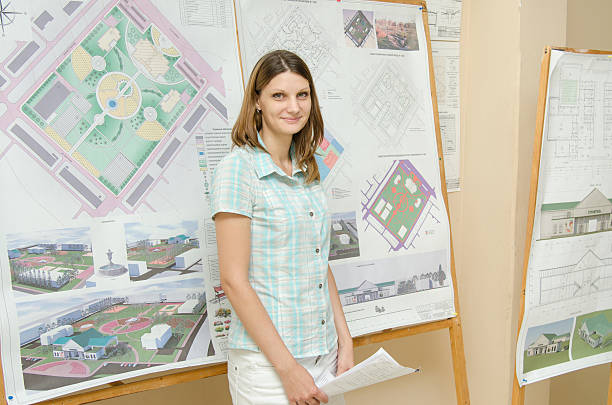
Smart City Planners are experts in urban planning and technology integration, responsible for creating blueprints and policies for cities that leverage smart technologies, data analytics, and sustainable practices to address urban challenges like traffic congestion, energy inefficiency, and housing shortages. Their role involves research, stakeholder engagement, and project coordination, often working in diverse settings such as urban planning offices, project sites, or technology innovation hubs. They combine expertise in architecture, urban design, and digital solutions to address issues like urban sprawl, resource scarcity, and social inequity. As key contributors to modern urbanization, they help build cities of the future in an era prioritizing smart infrastructure, green urbanism, and citizen-centric development.

 

Roles and Responsibilities

  • Urban Strategy Development
    • Develop comprehensive plans for smart cities, integrating technology, sustainability, and urban design principles.
    • Identify key areas for improvement in urban systems like transportation, energy, waste management, and public safety.
  • Technology Integration
    • Incorporate smart technologies such as IoT, AI, and big data analytics into urban planning to enhance city efficiency.
    • Design frameworks for smart infrastructure, including smart grids, intelligent transport systems, and digital governance.
  • Sustainability Planning
    • Promote eco-friendly urban solutions like green buildings, renewable energy integration, and sustainable water management.
    • Ensure plans align with environmental goals to reduce carbon footprints and enhance urban resilience.
  • Stakeholder Collaboration
    • Engage with government bodies, private sector partners, and citizens to gather input and build consensus on smart city projects.
    • Coordinate with architects, engineers, and tech experts to ensure integrated project execution.
  • Data Analysis and Research
    • Analyze urban data on population trends, traffic patterns, and resource usage to inform planning decisions.
    • Research global smart city trends and adapt best practices to local contexts.
  • Policy and Regulation Support
    • Assist in drafting policies and regulations that support smart city initiatives and ensure compliance with urban laws.
    • Advocate for zoning changes or incentives to encourage smart infrastructure development.
  • Project Management and Implementation
    • Oversee the implementation of smart city projects, ensuring timelines, budgets, and quality standards are met.
    • Monitor project outcomes to evaluate the impact on urban efficiency and resident well-being.
  • Community and Inclusivity Focus
    • Design inclusive urban spaces that address the needs of diverse populations, including marginalized groups.
    • Facilitate public participation through workshops or digital platforms to ensure citizen-centric planning.


Study Route & Eligibility Criteria

RouteSteps
Route 1

1. 10+2 with Physics, Chemistry, Mathematics (PCM) or Arts with relevant subjects.

2. Bachelor’s degree in Urban Planning, Architecture, or Civil Engineering (3-5 years).

3. Gain practical experience through internships or training in urban planning or smart city projects (3-6 months).

4. Pursue entry-level roles like Junior Urban Planner or Planning Assistant (1-2 years).

Route 2

1. 10+2 with PCM or Arts with relevant subjects.

2. Bachelor’s degree in Urban Design, Geography, or Environmental Planning (3-4 years).

3. Master’s degree in Urban Planning, Smart City Management, or Sustainable Urban Development (2 years, optional).

4. Work in urban development or technology integration roles to gain experience (1-2 years).

5. Transition to Smart City Planner roles with enhanced skills and knowledge.

Route 3

1. 10+2 with PCM or Arts with relevant subjects.

2. Bachelor’s degree in Architecture, Urban Planning, or related field (3-5 years).

3. Pursue professional certifications like Certified Smart City Professional or GIS Specialist (1-2 years).

4. Gain hands-on experience through roles in urban projects or smart infrastructure planning (1-2 years).

5. Establish a career as a Smart City Planner in government or private sectors.

Route 4

1. 10+2 with PCM or Arts with relevant subjects.

2. Bachelor’s degree from India in Urban Planning, Architecture, or related field (3-5 years).

3. Pursue international certifications or advanced degrees in smart city planning abroad (1-2 years).

4. Gain exposure through roles in global smart city projects or international organizations (1-2 years).

5. Work as a Smart City Planner in international markets or global urban consultancies.


Significant Observations (Academic Related Points)

  • Interdisciplinary Foundation: Strong knowledge of urban planning, architecture, and technology integration is essential for smart city design.
  • Technical Skills: Practical training in GIS, data analytics, and smart technologies builds core competencies in urban innovation.
  • Specialized Certifications: Credentials in smart city management or sustainable urbanism enhance professional credibility.
  • Policy Expertise: Familiarity with urban development policies and regulations is crucial for project compliance.
  • Sustainability Focus: Understanding environmental and social sustainability ensures holistic urban planning.
  • Certification Relevance: Some positions may mandate specific certifications from recognized urban planning or technology bodies.
  • Continuous Learning: Regular training is needed to keep up with evolving smart city technologies and urban trends.
  • Global Awareness: Knowledge of international smart city models opens opportunities for cross-border planning roles.
  • Precision Focus: Attention to detail is vital for accurate urban data analysis and project planning.
  • Entrance Exam Preparation: Admission to certain programs or competitive roles may require clearing entrance tests.
  • International Standards: For global roles, qualifications or certifications from international urban planning organizations may be required.


Internships & Practical Exposure

  • Mandatory practical training during degree programs in urban planning departments or smart city projects for real-world insights.
  • Rotations in municipal corporations or urban consultancies for hands-on experience in city planning and technology integration.
  • Internships under senior planners for exposure to real-time smart city project design and stakeholder coordination.
  • Observerships in government urban development bodies for insights into policy implementation and smart city schemes.
  • Participation in urban planning simulations and smart infrastructure workshops for practical skill development.
  • Training in smart city technologies like IoT or GIS mapping through real-world engagements in urban projects.
  • Exposure to tools like urban modeling software, data visualization platforms, and digital governance systems during internships.
  • Field projects on smart transportation, energy efficiency, or urban green spaces during training.
  • Community outreach programs to engage citizens in smart city planning and gather feedback on urban needs.
  • International smart city project attachments for global exposure to advanced urban innovation and planning standards.


Courses & Specializations to Enter the Field

  • Certificate in Smart City Planning and Management
  • Bachelor’s in Urban Planning, Architecture, or Civil Engineering
  • Master’s in Urban Planning, Smart City Management, or Sustainable Urban Development
  • Ph.D. in Urban Studies or Smart Urbanism
  • Specialization in Smart Infrastructure Design
  • Certification in Geographic Information Systems (GIS) for Urban Planning
  • Workshops on IoT and AI in Urban Development
  • Training in Sustainable Urban Design and Green Architecture
  • Specialization in Digital Governance for Smart Cities
  • Certification in Urban Data Analytics and Visualization


Top Institutes for Smart City Planner Education (India)

InstituteCourse/ProgramOfficial Link
School of Planning and Architecture (SPA), New DelhiB.Plan/M.Plan in Urban Planninghttps://www.spa.ac.in/
School of Planning and Architecture (SPA), BhopalB.Plan/M.Plan in Urban and Regional Planninghttps://www.spabhopal.ac.in/
School of Planning and Architecture (SPA), VijayawadaB.Plan/M.Plan in Urban Planninghttps://www.spav.ac.in/
Indian Institute of Technology (IIT), KharagpurM.Tech in Infrastructure Design and Management (Smart City Focus)https://www.iitkgp.ac.in/
Centre for Environmental Planning and Technology (CEPT) University, AhmedabadB.Plan/M.Plan in Urban Design and Planninghttps://www.cept.ac.in/
National Institute of Technology (NIT), TrichyM.Tech in Urban Planninghttps://www.nitt.edu/
Anna University, ChennaiB.Arch/M.Plan in Urban Planninghttps://www.annauniv.edu/
Malaviya National Institute of Technology (MNIT), JaipurM.Plan in Urban Planninghttps://www.mnit.ac.in/
Amity University, NoidaB.Plan/M.Plan in Urban and Regional Planninghttps://www.amity.edu/
Jadavpur University, KolkataB.Arch/M.Plan in Urban Planninghttps://www.jaduniv.edu.in/


Top International Institutes

InstitutionCourseCountryOfficial Link
Massachusetts Institute of Technology (MIT)Urban Studies and Planning (Smart City Focus)USAhttps://www.mit.edu/
University College London (UCL)MSc in Smart Cities and Urban AnalyticsUKhttps://www.ucl.ac.uk/
Delft University of TechnologyMSc in Urbanism (Smart City Focus)Netherlandshttps://www.tudelft.nl/
University of California, BerkeleyMaster of City Planning (Smart Urbanism)USAhttps://www.berkeley.edu/
ETH ZurichMaster in Spatial Development and Infrastructure SystemsSwitzerlandhttps://www.ethz.ch/
University of MelbourneMaster of Urban Planning (Smart City Focus)Australiahttps://www.unimelb.edu.au/
University of British ColumbiaMaster of Community and Regional PlanningCanadahttps://www.ubc.ca/
Technical University of Munich (TUM)MSc in Urbanism and Sustainable PlanningGermanyhttps://www.tum.de/
University of CopenhagenMSc in Urban Studies (Smart City Focus)Denmarkhttps://www.ku.dk/
National University of Singapore (NUS)Master of Urban Planning (Smart Urbanism)Singaporehttps://www.nus.edu.sg/


Entrance Tests Required

India:

  • NATA (National Aptitude Test in Architecture): For admission to B.Arch programs at institutes like SPA and CEPT.
  • JEE Main (Paper 2): For admission to B.Arch/B.Plan programs at NITs and other central institutes.
  • GATE (Graduate Aptitude Test in Engineering): For admission to M.Tech/M.Plan programs in urban planning at IITs and NITs.
  • State-Level Entrance Exams: Various states conduct exams for admission to planning programs in state universities (e.g., MHT-CET in Maharashtra).
  • CEPT Entrance Exam: For admission to planning programs at CEPT University, Ahmedabad.

International:

  • TOEFL (Test of English as a Foreign Language): Minimum score of 80-100 required for non-native speakers applying to programs in English-speaking countries.
  • IELTS (International English Language Testing System): Minimum score of 6.0-7.0 required for admission to universities in the UK, Australia, and other regions.
  • PTE Academic (Pearson Test of English Academic): Accepted by many international institutes as an alternative to TOEFL or IELTS for English proficiency.


Ideal Progressing Career Path

Planning Assistant → Junior Urban Planner → Smart City Planner → Senior Smart City Planner → Smart City Project Director → Urban Policy Consultant → Academician/Researcher


Major Areas of Employment

  • Government urban development departments for implementing smart city policies and projects.
  • Municipal corporations for planning and managing urban transformation under smart city missions.
  • Private urban consultancies for designing smart infrastructure and technology integration solutions.
  • Architectural and engineering firms for collaborating on smart city design and construction.
  • Technology companies for integrating IoT, AI, and data analytics into urban planning.
  • Non-profit organizations for advocating sustainable and inclusive smart city development.
  • Academic institutions for teaching and researching smart urbanism and planning methodologies.
  • International urban development agencies for global smart city and sustainable urbanization projects.
  • Real estate developers for planning smart residential and commercial urban spaces.
  • Urban policy think tanks for shaping smart city strategies and regulatory frameworks.


Prominent Employers

IndiaInternational
Ministry of Housing and Urban Affairs, IndiaUnited Nations Human Settlements Programme (UN-Habitat), Global
Smart City Mission (Government of India)World Bank (Urban Development Division), Global
National Institute of Urban Affairs (NIUA), New DelhiInternational Smart Cities Network (ISCN), Global
Municipal Corporations (e.g., Ahmedabad, Pune)Siemens (Smart Infrastructure Division), Global
Tata Consulting Engineers LimitedIBM (Smarter Cities Initiative), Global
Deloitte India (Smart City Consulting)Cisco (Smart City Solutions), Global
AECOM IndiaMcKinsey & Company (Urban Transformation), Global
L&T Infrastructure Development ProjectsArup (Urban Planning and Smart Cities), Global
Knight Frank India (Urban Advisory Services)Foster + Partners (Smart Urban Design), UK
Hiranandani Group (Smart Township Development)Sidewalk Labs (Urban Innovation), USA


Pros and Cons of the Profession

ProsCons
Direct impact on shaping future cities with innovative and sustainable solutionsHigh-pressure role due to complex projects with tight deadlines and budgets
Growing demand due to rapid urbanization and government focus on smart city initiativesChallenges in balancing technological innovation with social and environmental needs
Opportunity to contribute to urban resilience, inclusivity, and quality of lifeEmotional stress from navigating bureaucratic hurdles and stakeholder conflicts
Varied career paths in government, private sector, consultancy, and researchResistance to change from traditional urban systems or community pushback
Potential for societal change through creating efficient, livable, and tech-driven urban spacesNeed for constant updates on rapidly evolving smart technologies and urban trends


Industry Trends and Future Outlook

  • Smart City Mission in India: Government’s focus on transforming 100 cities into smart cities, driving demand for planners under initiatives like the Smart City Mission.
  • Digital Transformation: Increasing integration of IoT, AI, and 5G in urban systems for real-time city management, creating new skill demands.
  • Sustainable Urbanism: Growing emphasis on green infrastructure, renewable energy, and low-carbon cities in India’s urban planning.
  • Urban Population Growth: Rapid urbanization in India, necessitating smart solutions for housing, transport, and resource management.
  • Citizen-Centric Design: Rising focus on inclusive planning with public participation through digital platforms and feedback mechanisms.
  • Smart Mobility: Expansion of intelligent transport systems, e-mobility, and traffic management solutions in Indian cities like Delhi and Bangalore.
  • Data-Driven Planning: Use of big data and predictive analytics for urban decision-making and resource optimization.
  • Public-Private Partnerships (PPPs): Increasing collaboration between government and private firms for funding and executing smart city projects in India.
  • Global Smart City Models: Adoption of international best practices from cities like Singapore and Dubai for Indian urban transformation.
  • Skill Development Needs: Demand for training in smart technologies, urban analytics, and sustainable design for future planners.


Salary Expectations

Career LevelIndia (₹ per annum)International (USD per annum)
Planning Assistant (Early Career)3,50,000 - 6,00,00045,000 - 60,000
Junior Urban Planner (Mid-Career)6,00,000 - 10,00,00060,000 - 80,000
Smart City Planner10,00,000 - 15,00,00080,000 - 100,000
Senior Smart City Planner15,00,000 - 20,00,000100,000 - 120,000
Smart City Project Director/Urban Policy Consultant/Academician/Researcher20,00,000 - 28,00,000120,000 - 150,000+

Note: Salaries may vary based on location, employer, experience, and specialization. Indian figures are updated estimates based on current industry trends, government pay scales, and private sector data as of 2025, reflecting inflation and demand growth in urban planning and smart city sectors. International figures are based on data from the U.S., Canada, and Europe as of 2025, adjusted for market trends in smart city planning roles, sourced from industry reports and salary surveys like Glassdoor and PayScale. Due to the speculative nature of future data, these are approximations and may differ based on real-time economic factors.


Key Software Tools

  • Geographic Information Systems (GIS) Software (e.g., ArcGIS, QGIS) for urban mapping and spatial analysis.
  • Urban Modeling Software (e.g., CityEngine, SimCity for planning simulations) for designing smart city layouts.
  • Computer-Aided Design (CAD) Tools (e.g., AutoCAD, Revit) for drafting urban infrastructure plans.
  • Data Analytics Tools (e.g., Tableau, Power BI) for visualizing urban data on traffic, energy, and population trends.
  • IoT and Smart City Platforms (e.g., Cisco Kinetic, IBM Watson IoT) for integrating technology into urban systems.
  • Teleconferencing tools like Zoom for collaboration with global urban planning teams and stakeholders.
  • Cloud Platforms (e.g., Google Cloud) for storing and sharing smart city project data and plans.
  • Microsoft Office Suite for documentation and urban strategy presentations.
  • Project Management Tools (e.g., Trello, Monday.com) for coordinating smart city projects and timelines.
  • Traffic and Transport Simulation Software (e.g., PTV Vissim, Aimsun) for planning smart mobility solutions.


Professional Organizations and Networks

  • Indian Institute of Town Planners (ITPI)
  • Ministry of Housing and Urban Affairs, India
  • National Institute of Urban Affairs (NIUA), India
  • International Society of City and Regional Planners (ISOCARP)
  • American Planning Association (APA), USA
  • Royal Town Planning Institute (RTPI), UK
  • United Nations Human Settlements Programme (UN-Habitat)
  • Smart Cities Council, Global
  • World Urban Forum (WUF)
  • Global Planners Network (GPN)


Notable Leaders in Smart City Planning and Urban Development (Top 10)

  • Dr.Isher Judge Ahluwalia (Historical, India): Renowned economist and urban planner, known for shaping urban policy and smart city frameworks in India. Her work influenced urban reforms. Her leadership drove policy. She contributed until her passing in 2020.
     
  • Ar. Bimal Patel (Contemporary, India): Architect and urban planner, known for projects like the Central Vista redevelopment and smart city designs. His leadership shapes urban transformation. His work enhances infrastructure. He heads HCP Design.
     
  • Dr. K. Kasturirangan (Contemporary, India): Former ISRO Chairman and urban policy influencer, contributing to smart city education and planning frameworks. His strategies guide urban growth. His leadership shapes policy. He chaired key committees.
     
  • Ar. AnupamYog (Contemporary, India): Urban planner and smart city consultant, known for contributions to India’s Smart City Mission projects. His designs focus on sustainability. His leadership drives innovation. He shapes urban strategies.
     
  • Dr. Sameer Sharma (Contemporary, India): Urban development expert and former IAS officer, instrumental in implementing smart city initiatives in India. His policies transform cities. His leadership shapes planning. He authored key urban texts.
     
  • Dr. Jan Gehl (Contemporary, Denmark): Urban designer and architect, known for human-centric city planning and smart urban spaces. His work prioritizes livability. His leadership shapes global cities. He authored "Cities for People."
     
  • Dr. Richard Florida (Contemporary, USA): Urban studies theorist, known for the "Creative Class" concept and smart city economic strategies. His research drives urban innovation. His leadership influences policy. He authored key urban texts.
     
  • Dr. Joan Clos (Contemporary, Spain): Former UN-Habitat Executive Director, focusing on smart urbanization and sustainable city planning. His policies guide global urban growth. His leadership drives resilience. He shaped urban agendas.
     
  • Ar. Rem Koolhaas (Contemporary, Netherlands): Architect and urban theorist, known for innovative urban planning and smart city concepts. His designs redefine cities. His leadership influences trends. He founded OMA and authored key texts.
     

Advice for Aspiring Smart City Planners

  • Build a strong foundation in urban planning, architecture, and smart technologies to understand city dynamics.
  • Seek early exposure to urban development or smart city projects through internships to confirm interest in the field.
  • Prepare thoroughly for entrance exams or certification requirements specific to your chosen program or region.
  • Pursue certifications in smart city management, GIS, or sustainable urbanism to gain expertise in modern planning.
  • Stay updated on advancements in smart technologies by attending industry conferences and workshops.
  • Develop hands-on skills in urban data analysis, technology integration, and project management through practical training.
  • Engage in smart city or urban planning projects to build real-world experience in designing future cities.
  • Join professional associations like the Indian Institute of Town Planners (ITPI) for resources and networking.
  • Work on analytical and strategic skills to ensure effective urban solutions and technology-driven planning.
  • Explore international smart city projects for exposure to diverse urban challenges and global planning standards.
  • Volunteer in community urban development or sustainability programs to understand local city needs.
  • Cultivate adaptability to handle diverse urban contexts and evolving smart city technologies.
  • Attend continuing education programs to stay abreast of new urban planning tools and smart infrastructure trends.
  • Build a network with architects, engineers, policymakers, and tech experts for collaborative urban efforts.
  • Develop resilience to manage the high-pressure demands and complex stakeholder dynamics of urban planning.
  • Balance technical planning skills with communication to engage communities and adapt to rapid changes in urban priorities.


A career as a Smart City Planner offers a unique opportunity to contribute to the future of urbanization by designing innovative, sustainable, and technology-driven cities that enhance the quality of life across diverse urban landscapes. From integrating smart infrastructure to promoting inclusive urban growth, Smart City Planners play a pivotal role in modern urban transformation and sustainable development. This field combines expertise in urban planning, technology, and a commitment to societal and environmental well-being, offering diverse paths in government, private sector, consultancy, and research. For those passionate about shaping future cities, adapting to global urban challenges, and addressing critical urbanization needs in an era of increasing digital and sustainable urgency, a career as a Smart City Planner provides an intellectually stimulating and professionally rewarding journey with the potential to make significant contributions to society by advancing urban efficiency and sustainable progress worldwide.

Leading Professions
View All

Planning Assistant

Entry-level professionals assist in data collection, mapping, and basic planning tasks under supervision in organizations like municipal corporations or urban consultancies such as AECOM India. They gain foundational experience in urban projects across India.

Junior Urban Planner

Mid-level specialists contribute to smart city designs, assist in stakeholder coordination, and support technology integration, working in firms like Tata Consulting Engineers or government Smart City Mission projects. They focus on specific components like smart transport in cities like Ahmedabad or Pune.

Smart City Planner

Professionals lead the design and implementation of smart city initiatives, integrating technology and sustainability, employed by entities like the Ministry of Housing and Urban Affairs or private firms like Deloitte India. They handle comprehensive projects in designated smart cities like Bhubaneswar or Surat.

Senior Smart City Planner

Experienced planners oversee multiple smart city projects, mentor junior staff, and innovate urban solutions in organizations like NIUA (National Institute of Urban Affairs) or global consultancies operating in India. They focus on scaling smart infrastructure in Tier-1 and Tier-2 cities.

Smart City Project Director

Senior leaders manage large-scale smart city programs, coordinate multidisciplinary teams, and secure funding for urban transformation with bodies like Smart City SPVs (Special Purpose Vehicles) or international agencies in India. They drive flagship projects like Smart City Mission implementations.

Urban Policy Consultant

High-level experts provide strategic guidance on smart city policies and frameworks to government bodies like NITI Aayog or urban development ministries. They influence national urban planning strategies and smart city regulations.

Academician/Researcher

Top-tier educators or researchers lead studies on smart urbanism at institutes like SPA New Delhi or CEPT Ahmedabad. They mentor future planners and publish impactful research on smart city innovations, contributing to academic and practical advancements.

CAREER VIDEOS

Interested? Take the next step for this career

Every Student, Career Ready!

This page includes information from O*NET Resource Center by the U.S. Department of Labor, Employment and Training Administration (USDOL/ETA). Used under the CC BY 4.0 license. O*NET® is a trademark of USDOL/ETA.


© 2025 TopTeen. All rights reserved.

Terms & ConditionsPrivacy Policy