











Marine Conservation Specialist
A Marine Conservation Specialist is a professional dedicated to protecting and preserving marine ecosystems, species, and habitats through research, advocacy, and management strategies to ensure oceanic biodiversity and sustainability. They work in government agencies, marine research institutes, non-profit organizations, coastal management bodies, and environmental consultancies, collaborating with oceanographers, policymakers, and coastal communities. Marine Conservation Specialists play a critical role in safeguarding marine life and combating threats like overfishing, pollution, and climate change in a world increasingly focused on ocean health, sustainable fisheries, and climate resilience.
Career Description
Marine Conservation Specialists are experts in marine biology and environmental science, responsible for studying marine ecosystems, monitoring species populations, and implementing conservation programs to protect oceanic biodiversity from degradation. Their role involves conducting underwater surveys, developing marine protected areas, and advocating for sustainable marine policies, often working in diverse settings such as coastal zones, research vessels, or conservation offices. They combine expertise in marine ecology, oceanography, and community engagement to address issues like coral reef destruction, marine pollution, and illegal fishing. As key contributors to ocean sustainability, they help maintain marine ecosystem health in an era prioritizing environmental protection, blue economy initiatives, and global conservation efforts.
Roles and Responsibilities
- Marine Ecosystem Monitoring
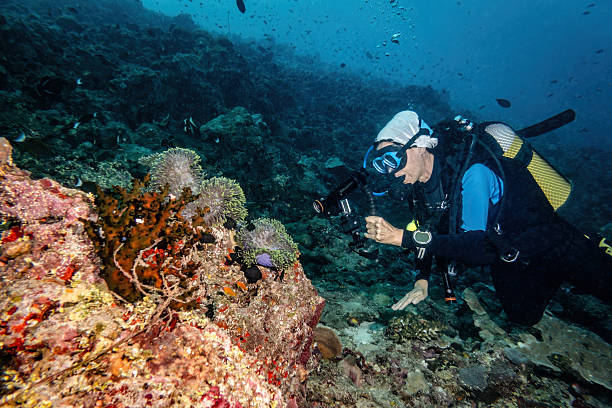
- Conduct underwater surveys and research to assess the health of marine species, coral reefs, and habitats.
- Use technologies like sonar, remotely operated vehicles (ROVs), and satellite data to monitor ocean conditions.
- Habitat Protection and Restoration
- Evaluate the state of marine habitats to identify threats like pollution, acidification, or habitat destruction.
- Implement restoration projects such as coral reef rehabilitation or mangrove reforestation to support marine life.
- Conservation Strategy Development
- Design and execute conservation plans for endangered marine species, including breeding programs and habitat protection initiatives.
- Develop strategies to mitigate human impacts like overfishing and coastal development on marine ecosystems.
- Policy Advocacy and Compliance
- Advocate for marine protection legislation and policies to safeguard oceans and coastal areas.
- Ensure compliance with national and international marine conservation laws like the Coastal Regulation Zone (CRZ) rules in India.
- Community Engagement and Education
- Work with coastal communities to promote sustainable fishing and reduce marine pollution.
- Educate the public and stakeholders on the importance of marine biodiversity through outreach programs.
- Research and Data Analysis
- Analyze data on marine trends to predict future conservation needs and assess intervention impacts.
- Publish research findings to contribute to global marine conservation knowledge.
- Marine Pollution and Climate Impact Mitigation
- Collaborate with environmental agencies to combat marine pollution, including plastic waste and oil spills.
- Address climate change impacts like ocean warming and sea level rise on marine ecosystems.
- Marine Protected Area (MPA) Management
- Support the establishment and management of MPAs to protect critical marine habitats.
- Monitor and enforce regulations within MPAs to prevent illegal activities like poaching or destructive fishing.
Study Route & Eligibility Criteria
| Route | Steps |
| Route 1 | 1. 10+2 with Physics, Chemistry, Biology (PCB). 2. Bachelor’s degree in Marine Biology, Oceanography, or Environmental Science (3-4 years). 3. Gain practical experience through internships or field training in marine conservation organizations (3-6 months). 4. Pursue entry-level roles like Marine Research Assistant or Field Diver (1-2 years). |
| Route 2 | 1. 10+2 with PCB. 2. Bachelor’s degree in Biology, Zoology, or Marine Science (3-4 years). 3. Master’s degree in Marine Conservation, Oceanography, or Environmental Biology (2 years, optional). 4. Work in marine monitoring or habitat restoration roles to gain experience (1-2 years). 5. Transition to Marine Conservation Specialist roles with enhanced skills and knowledge. |
| Route 3 | 1. 10+2 with PCB. 2. Bachelor’s degree in Marine Biology, Environmental Science, or related field (3-4 years). 3. Pursue professional certifications like Certified Marine Conservationist or Coastal Management Specialist (1-2 years). 4. Gain hands-on experience through roles in marine surveys or coastal management (1-2 years). 5. Establish a career as a Marine Conservation Specialist in government agencies or NGOs. |
| Route 4 | 1. 10+2 with PCB. 2. Bachelor’s degree from India in Marine Science, Oceanography, or related field (3-4 years). 3. Pursue international marine conservation certifications or advanced degrees abroad (1-2 years). 4. Gain exposure through roles in global marine conservation projects or international organizations (1-2 years). 5. Work as a Marine Conservation Specialist in international markets or global NGOs. |
Significant Observations (Academic Related Points)
- Scientific Foundation: Strong knowledge of marine biology, oceanography, and environmental science is essential for understanding marine ecosystems.
- Fieldwork Skills: Practical training in underwater surveys and marine habitat assessment builds core competencies in conservation.
- Specialized Certifications: Credentials in marine conservation or coastal management enhance professional credibility.
- Research Expertise: Proficiency in data collection and analysis tools is crucial for studying marine trends.
- Policy Knowledge: Familiarity with marine protection laws and international treaties ensures effective advocacy.
- Certification Relevance: Some positions may mandate specific certifications from recognized marine conservation bodies.
- Continuous Learning: Regular training is needed to keep up with evolving marine conservation techniques and threats.
- Global Awareness: Understanding international marine conservation protocols opens opportunities for cross-border projects.
- Precision Focus: Attention to detail is vital for accurate marine species assessments and habitat evaluations.
- Entrance Exam Preparation: Admission to certain programs may require clearing competitive entrance tests.
- International Standards: For global roles, qualifications or certifications from international marine organizations may be required.
Internships & Practical Exposure
- Mandatory field training during degree programs in coastal areas or marine research stations.
- Rotations in marine conservation NGOs for hands-on experience in species monitoring and habitat protection.
- Internships under senior marine conservationists for exposure to real-time underwater surveys and rehabilitation projects.
- Observerships in government marine departments for insights into policy enforcement and coastal regulation measures.
- Participation in marine biodiversity assessments and diving simulations for practical skill development.
- Training in marine survey techniques through real-world field engagements.
- Exposure to tools like underwater cameras, sonar systems, and water sampling kits during internships.
- Field projects on coral reef restoration or marine pollution mitigation during training.
- Community outreach programs to educate coastal locals on marine conservation and sustainable practices.
- International marine conservation attachments for global exposure to diverse oceanic ecosystems and strategies.
Courses & Specializations to Enter the Field
- Certificate in Marine Conservation and Management
- Bachelor’s in Marine Biology, Oceanography, or Environmental Science
- Master’s in Marine Conservation, Ocean Sciences, or Coastal Management
- Ph.D. in Marine Ecology or Conservation Biology
- Specialization in Coral Reef Conservation
- Certification in Marine Protected Area Management
- Workshops on Marine Pollution Mitigation
- Training in Sustainable Fisheries Management
- Specialization in Mangrove and Coastal Habitat Restoration
- Certification in Marine Biodiversity Assessment
Top Institutes for Marine Conservation Specialist Education (India)
| Institute | Course/Program | Official Link |
| Wildlife Institute of India (WII), Dehradun | M.Sc. in Wildlife Science (Marine Focus) | https://www.wii.gov.in/ |
| Jawaharlal Nehru University (JNU), New Delhi | M.Sc. in Environmental Sciences | https://www.jnu.ac.in/ |
| TERI School of Advanced Studies, New Delhi | M.Sc. in Environmental Studies and Resource Management | https://www.terisas.ac.in/ |
| University of Delhi, Delhi | M.Sc. in Environmental Studies | https://www.du.ac.in/ |
| Cochin University of Science and Technology (CUSAT), Kochi | M.Sc. in Marine Biology | https://www.cusat.ac.in/ |
| Annamalai University, Tamil Nadu | M.Sc. in Marine Biology and Oceanography | https://www.annamalaiuniversity.ac.in/ |
| Indian Institute of Science (IISc), Bangalore | M.Sc. in Ecological Sciences | https://www.iisc.ac.in/ |
| Savitribai Phule Pune University, Pune | M.Sc. in Environmental Science | https://www.unipune.ac.in/ |
| Amity University, Noida | B.Sc./M.Sc. in Environmental Science | https://www.amity.edu/ |
| Andhra University, Visakhapatnam | M.Sc. in Marine Biology and Fisheries | https://www.andhrauniversity.edu.in/ |
Top International Institutes
| Institution | Course | Country | Official Link |
| Stanford University | Environmental Science (Marine Focus) | USA | https://www.stanford.edu/ |
| University of California, San Diego (Scripps Institution of Oceanography) | Oceanography and Marine Biology | USA | https://www.ucsd.edu/ |
| Wageningen University & Research | Marine Ecology and Conservation | Netherlands | https://www.wur.nl/ |
| University of Oxford | Biodiversity, Conservation and Management | UK | https://www.ox.ac.uk/ |
| Massachusetts Institute of Technology (MIT) | Ocean Science and Engineering | USA | https://www.mit.edu/ |
| University of Melbourne | Marine Science Programs | Australia | https://www.unimelb.edu.au/ |
| University of British Columbia | Oceanography and Marine Management | Canada | https://www.ubc.ca/ |
| ETH Zurich | Environmental Sciences | Switzerland | https://www.ethz.ch/ |
| University of Copenhagen | Marine Biology and Conservation | Denmark | https://www.ku.dk/ |
| National University of Singapore (NUS) | Environmental Studies (Marine Focus) | Singapore | https://www.nus.edu.sg/ |
Entrance Tests Required
India:
- CUSAT CAT (Common Admission Test): For admission to marine biology programs at Cochin University of Science and Technology.
- JNU CEEB (Combined Entrance Examination for Biotechnology): For admissions in environmental science programs at JNU.
- State-Level Entrance Exams: Various states conduct exams for admission to marine or environmental programs in state universities.
- NET (National Eligibility Test): For research fellowships or lectureship roles in marine conservation.
International:
- TOEFL (Test of English as a Foreign Language): Minimum score of 80-100 required for non-native speakers applying to programs in English-speaking countries.
- IELTS (International English Language Testing System): Minimum score of 6.0-7.0 required for admission to universities in the UK, Australia, and other regions.
- PTE Academic (Pearson Test of English Academic): Accepted by many international institutes as an alternative to TOEFL or IELTS for English proficiency.
Ideal Progressing Career Path
Marine Research Assistant → Marine Conservation Officer → Marine Project Lead → Marine Conservation Manager → Senior Marine Ecologist → Marine Policy Advisor → Academician/Researcher
Major Areas of Employment
- Government marine departments for enforcing conservation policies and managing coastal zones.
- Marine research institutes for studying ocean ecosystems and biodiversity trends.
- Non-profit organizations for advocating marine conservation and community engagement.
- Coastal management bodies for protecting marine habitats and regulating development.
- Environmental consultancies for advising on marine impact assessments in coastal projects.
- Academic institutions for teaching and researching marine conservation strategies.
- International marine conservation agencies for global ocean protection initiatives.
- Fisheries departments for integrating sustainable practices into marine resource management.
- Tourism boards for balancing eco-tourism with marine conservation in coastal areas.
- Media and outreach organizations for raising public awareness on marine issues.
Prominent Employers
| India | International |
| National Institute of Oceanography (NIO), Goa | World Wildlife Fund (WWF), Global |
| Ministry of Environment, Forest and Climate Change (MoEFCC) | International Union for Conservation of Nature (IUCN), Global |
| Wildlife Trust of India (WTI) | Oceana, USA |
| ReefWatch Marine Conservation, India | Marine Conservation Institute, USA |
| WWF-India (Marine Program) | Ocean Conservancy, USA |
| Coastal Regulation Zone (CRZ) Authorities | Greenpeace International, Global |
| Centre for Marine Living Resources & Ecology (CMLRE), Kochi | Sea Shepherd Conservation Society, Global |
| Bombay Natural History Society (BNHS) - Marine Division | Blue Marine Foundation, UK |
| Andaman and Nicobar Environmental Team (ANET) | Coral Reef Alliance, USA |
| Dakshin Foundation, India | Mission Blue, USA |
Pros and Cons of the Profession
| Pros | Cons |
| Direct impact on preserving marine biodiversity and protecting ocean ecosystems | Physically demanding fieldwork in challenging marine environments, often underwater |
| Growing demand due to increasing threats to oceans like pollution and overfishing | Limited funding and resources for marine conservation projects in many regions |
| Opportunity to contribute to sustainable fisheries and coastal ecosystem health | Emotional stress from dealing with marine species loss or habitat destruction |
| Varied career paths in fieldwork, research, policy, and education | Resistance from coastal industries or communities to conservation measures |
| Potential for societal change through marine protection and awareness | Need for constant updates on evolving marine threats and conservation techniques |
Industry Trends and Future Outlook
- Ocean Pollution Crisis: Increasing focus on combating marine pollution, especially plastic waste, driving demand for conservation specialists in India.
- Coral Reef Decline: Growing need for restoration strategies as coral reefs face bleaching due to climate change, particularly in the Lakshadweep Islands.
- Technological Integration: Adoption of underwater drones, AI, and satellite imagery for marine monitoring and pollution tracking, creating new skill demands.
- Climate Change Impacts: Rising focus on how ocean warming, acidification, and sea level rise affect marine species, necessitating adaptive conservation plans.
- Policy Reinforcement: Stronger marine protection laws and initiatives like the National Mangrove Conservation and Management program in India, expanding roles in policy enforcement.
- Sustainable Fisheries: Emphasis on promoting sustainable fishing practices to prevent overexploitation, especially along India’s 7,500 km coastline.
- Marine Protected Areas (MPAs): Growth in establishing MPAs to safeguard critical marine habitats, requiring specialists for management and monitoring.
- Global Collaborations: International partnerships under treaties like the UN Convention on the Law of the Sea (UNCLOS) to address transboundary marine issues.
- Blue Economy Focus: Increased efforts to balance economic activities like shipping and tourism with marine conservation in India’s coastal states.
- Skill Development Needs: Demand for training in advanced marine technologies and interdisciplinary conservation approaches.
Salary Expectations
| Career Level | India (₹ per annum) | International (USD per annum) |
| Marine Research Assistant (Early Career) | 2,50,000 - 4,50,000 | 40,000 - 55,000 |
| Marine Conservation Officer (Mid-Career) | 4,50,000 - 7,50,000 | 55,000 - 70,000 |
| Marine Project Lead | 7,50,000 - 10,00,000 | 70,000 - 85,000 |
| Marine Conservation Manager/Senior Marine Ecologist | 10,00,000 - 15,00,000 | 85,000 - 100,000 |
| Marine Policy Advisor/Academician/Researcher | 15,00,000+ | 100,000+ |
Note: Salaries may vary based on location, employer, experience, and specialization. International figures are based on data from the U.S. and Canada as of December 2025, reflecting averages and medians from multiple sources. Indian figures are estimated based on industry standards and prior trends due to limited real-time data in the search results.
Key Software Tools
- Geographic Information Systems (GIS) for mapping marine habitats and species distribution.
- Marine Monitoring Software (e.g., Ocean Data View, SeaMap) for tracking ocean conditions and biodiversity.
- Data Analytics Tools (e.g., Tableau, Excel) for analyzing marine population and habitat data.
- Remote Sensing Software for assessing ocean changes and coastal habitat impacts.
- Underwater Imaging Tools for organizing and analyzing marine survey footage.
- Teleconferencing tools like Zoom for collaboration with global marine conservation teams.
- Cloud Platforms (e.g., Google Cloud) for storing and sharing marine research data.
- Microsoft Office Suite for documentation and conservation presentations.
- Project Management Tools (e.g., Trello, Monday.com) for coordinating marine initiatives.
- Statistical Software (e.g., R, SPSS) for advanced marine data analysis.
Professional Organizations and Networks
- Indian Ocean Research Group (IORG)
- National Institute of Oceanography (NIO) - India
- Ministry of Environment, Forest and Climate Change (MoEFCC) - India
- International Union for Conservation of Nature (IUCN) - Marine Program
- World Wildlife Fund (WWF) - Oceans
- Ocean Conservancy
- Marine Conservation Society (MCS), UK
- United Nations Environment Programme (UNEP) - Oceans
- Coral Reef Alliance
- Global Ocean Observing System (GOOS)
Notable Leaders in Marine Conservation (Top 10)
- Dr. Romulus Whitaker (Contemporary, India): Herpetologist and conservationist, also involved in marine turtle conservation along India’s coasts. His work protects endangered marine reptiles. His initiatives educate on coastal biodiversity. He founded the Madras Crocodile Bank Trust.
- Dr. Deepak Apte (Contemporary, India): Marine biologist and Director at Bombay Natural History Society (BNHS), focusing on coral reef and marine biodiversity conservation. His research aids marine protected areas. His leadership shapes coastal policies. He authored key marine studies.
- Dr. B.C. Choudhury (Historical, India): Former scientist at Wildlife Institute of India, known for marine turtle and mangrove conservation. His efforts protected nesting sites. His work influenced marine policy. He mentored numerous conservationists until his passing.
- Dr.KartikShanker (Contemporary, India): Marine biologist at Dakshin Foundation, specializing in sea turtle conservation and coastal ecology. His research addresses fishing impacts. His advocacy strengthens marine protection. He promotes community-based conservation.
- Dr.VardhanPatankar (Contemporary, India): Marine conservationist with ReefWatch India, focusing on coral reef restoration and shark conservation. His underwater surveys protect marine habitats. His efforts combat overfishing. He educates coastal communities.
- Dr. Sylvia Earle (Contemporary, USA): Marine biologist and founder of Mission Blue, advocating for marine protected areas globally. Her work establishes ocean “Hope Spots.” Her leadership pioneered underwater research. She authored impactful ocean conservation books.
- Dr. Jane Lubchenco (Contemporary, USA): Marine ecologist and former NOAA Administrator, known for marine conservation policy and sustainable fisheries. Her research shapes ocean governance. Her advocacy protects marine ecosystems. She promotes science-based marine solutions.
- Dr.Callum Roberts (Contemporary, UK): Marine conservation biologist at University of York, focusing on marine protected areas and overfishing. His work influences global ocean policy. His books raise marine awareness. He advocates for ocean recovery.
- Dr.EnricSala (Contemporary, Spain/USA): Marine ecologist and National Geographic Explorer, leading the Pristine Seas project for marine conservation. His expeditions protect ocean biodiversity. His leadership establishes MPAs. He authored key marine protection texts.
- Dr. Nancy Knowlton (Contemporary, USA): Marine biologist at Smithsonian Institution, known for coral reef conservation and marine biodiversity research. Her work highlights ocean health. Her advocacy drives conservation funding. She pioneered the Ocean Health Index.
Advice for Aspiring Marine Conservation Specialists
- Build a strong foundation in marine biology, oceanography, and environmental science to understand oceanic ecosystems.
- Seek early exposure to marine fieldwork or coastal volunteering through internships to confirm interest in the field.
- Prepare thoroughly for entrance exams or certification requirements specific to your chosen program or region.
- Pursue certifications in marine conservation, diving, or coastal management to gain expertise.
- Stay updated on advancements in marine protection strategies by attending industry conferences and workshops.
- Develop hands-on skills in underwater surveys, marine monitoring, and data collection through practical training.
- Engage in marine conservation research or on-ground protection projects to build real-world experience.
- Join professional associations like the Indian Ocean Research Group (IORG) for networking and resources.
- Work on precision and empathy to ensure accurate marine assessments and ethical conservation practices.
- Explore international marine conservation projects for exposure to diverse oceanic ecosystems and global challenges.
- Volunteer in coastal community marine protection or awareness programs to understand local conservation needs.
- Cultivate adaptability to handle physical and logistical challenges in diverse marine settings.
- Attend continuing education programs to stay abreast of evolving marine threats and solutions.
- Build a network with marine conservation experts, policymakers, and coastal leaders for collaborative efforts.
- Develop resilience to manage the physical and emotional pressures of marine conservation work.
- Balance scientific skills with community engagement to adapt to rapid changes in marine conservation priorities.
A career as a Marine Conservation Specialist offers a unique opportunity to contribute to environmental protection and global ocean sustainability by safeguarding marine ecosystems and their biodiversity across various coastal and oceanic zones. From monitoring coral reefs to shaping protective marine policies, Marine Conservation Specialists play a pivotal role in modern environmental stewardship and ocean health. This field combines scientific research, fieldwork dedication, and a commitment to ecological and societal well-being, offering diverse paths in research, policy, and on-ground conservation. For those passionate about protecting marine life, adapting to global oceanic challenges, and addressing critical conservation needs in an era of increasing environmental urgency, a career as a Marine Conservation Specialist provides an intellectually stimulating and professionally rewarding journey with the potential to make significant contributions to society by enhancing marine ecosystem health and sustainability worldwide.
Leading Professions
View All
Marine Research Assistant
Entry-level professionals assist in underwater surveys, data collection, and basic monitoring tasks under supervision in organizations like the National Institute of Oceanography (NIO) or coastal state departments. They gain hands-on experience in marine species tracking and water quality assessment. Their work supports foundational marine research along India’s coastline.
Marine Conservation Officer
Mid-level specialists oversee marine conservation activities, including species monitoring and habitat protection, in entities like the Coastal Regulation Zone (CRZ) authorities or marine NGOs such as ReefWatch Marine Conservation. They implement conservation plans and engage with fishing communities to promote sustainable practices. Their role ensures direct protection of marine biodiversity.
Marine Project Lead
Professionals manage specific marine conservation projects, such as coral reef restoration or marine debris cleanup, for organizations like the Wildlife Trust of India (WTI) or state marine boards in areas like the Andaman and Nicobar Islands. They lead small teams and coordinate project logistics to achieve conservation targets.
Marine Conservation Manager
Experienced leaders oversee comprehensive marine conservation programs, aligning efforts with national ocean health goals in settings like the Ministry of Environment, Forest and Climate Change (MoEFCC) or international NGOs like WWF-India. They strategize long-term marine protection plans and secure funding for coastal initiatives.
Senior Marine Ecologist
Senior experts conduct advanced research on marine ecosystems and advise on conservation strategies in research bodies like NIO or academic institutions such as CUSAT. They analyze oceanic trends to inform policy and restoration efforts, focusing on critical areas like mangrove ecosystems in the Sundarbans.
Marine Policy Advisor
High-level professionals provide strategic guidance on marine protection laws and policies to government bodies like the National Biodiversity Authority or global marine networks active in India. They influence national legislation like CRZ rules to strengthen marine safeguards. Their expertise drives systemic change in marine governance.
Academician/Researcher
Top-tier educators or researchers lead marine conservation studies at institutes like Andhra University or Annamalai University. They mentor future conservationists and publish impactful research on marine biodiversity, focusing on India’s vast coastal and marine zones. Their leadership advances academic and practical marine conservation knowledge.

CAREER VIDEOS
Interested? Take the next step for this career
Skills Needed

Every Student, Career Ready!

This page includes information from O*NET Resource Center by the U.S. Department of Labor, Employment and Training Administration (USDOL/ETA). Used under the CC BY 4.0 license. O*NET® is a trademark of USDOL/ETA.
© 2025 TopTeen. All rights reserved.