Ophthalmologist

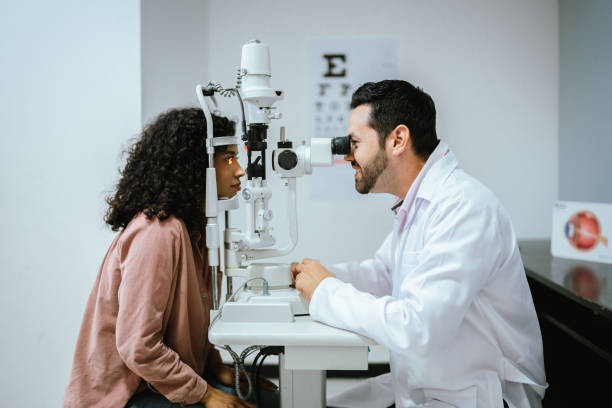
An Ophthalmologist is a specialized medical professional who diagnoses and treats disorders of the eyes, ranging from vision correction to complex conditions like glaucoma, cataracts, and retinal diseases, often performing surgeries to restore or preserve eyesight. They operate within hospitals, private clinics, or specialized eye care centers, collaborating with optometrists, surgeons, and other healthcare providers to deliver comprehensive vision care. Ophthalmologists play a crucial role in enhancing quality of life through eye health in an era where aging populations and digital screen exposure increase the prevalence of vision-related issues, driving advancements in ocular technology and treatment methodologies.
Share :
Career tree mind map (horizontal) — Ophthalmologist
Colored branches, hub circles, and underlined topics — same style as counselor course classic (types 18–19 in admin).
Loading mind map…

Overview

An Ophthalmologist is a specialized medical professional who diagnoses and treats disorders of the eyes, ranging from vision correction to complex conditions like glaucoma, cataracts, and retinal diseases, often performing surgeries to restore or preserve eyesight. They operate within hospitals, private clinics, or specialized eye care centers, collaborating with optometrists, surgeons, and other healthcare providers to deliver comprehensive vision care. Ophthalmologists play a crucial role in enhancing quality of life through eye health in an era where aging populations and digital screen exposure increase the prevalence of vision-related issues, driving advancements in ocular technology and treatment methodologies.

Ophthalmologists are detail-oriented and skilled professionals tasked with assessing eye health through diagnostic tests, prescribing corrective lenses, and performing intricate procedures such as LASIK or cataract surgery. Their role includes managing emergencies like retinal detachment, treating chronic conditions, and addressing challenges through medical and surgical interventions. They combine expertise in ocular anatomy, surgical precision, and patient care, working in clinical or surgical environments to provide vision-saving treatments. As key contributors to healthcare, Ophthalmologists drive progress in eye care in a landscape increasingly focused on minimally invasive surgeries, advanced diagnostics, and preventive vision health.


Roles and Responsibilities

💼
Ophthalmologist
Roles and Responsibilities
Patient Diagnosis and Assessment
Evaluate patients through eye exams, medical history, and diagnostic tools to identify vision or eye disorders.
Diagnose conditions such as myopia, glaucoma, or macular degeneration using clinical and imaging data.
Treatment Planning and Management
Develop treatment plans involving medications, corrective lenses, or surgical interventions for eye conditions.
Manage acute cases like eye injuries or infections with urgent care to prevent vision loss.
Surgical Interventions
Perform surgeries such as cataract removal, corneal transplants, or laser vision correction.
Use advanced techniques like phacoemulsification or vitrectomy for precise outcomes.
Chronic Condition Management
Monitor and treat long-term disorders like diabetic retinopathy or age-related macular degeneration.
Adjust therapies based on disease progression and patient response.
Emergency Eye Care
Provide immediate care for traumatic eye injuries or sudden vision loss conditions.
Stabilize patients in critical situations to prevent permanent damage.
Patient Education and Counselling
Educate patients on eye health, preventive measures, and treatment options.
Offer guidance on lifestyle changes to reduce risks of conditions like digital eye strain.
Trend Monitoring and Adaptation
Stay updated on advancements in ocular technology, such as robotic-assisted eye surgery or AI diagnostics.
Adapt practices to modern demands like teleconsultations for vision assessments.
Collaboration with Medical Teams
Work with optometrists, neurologists, and endocrinologists for comprehensive care of related conditions.
Refer patients to subspecialists for niche areas like paediatric ophthalmology or oculoplastics.

Roles and Responsibilities

  • Patient Diagnosis and Assessment
    • Evaluate patients through eye exams, medical history, and diagnostic tools to identify vision or eye disorders.
    • Diagnose conditions such as myopia, glaucoma, or macular degeneration using clinical and imaging data.
  • Treatment Planning and Management
    • Develop treatment plans involving medications, corrective lenses, or surgical interventions for eye conditions.
    • Manage acute cases like eye injuries or infections with urgent care to prevent vision loss.
  • Surgical Interventions
    • Perform surgeries such as cataract removal, corneal transplants, or laser vision correction.
    • Use advanced techniques like phacoemulsification or vitrectomy for precise outcomes.
  • Chronic Condition Management
    • Monitor and treat long-term disorders like diabetic retinopathy or age-related macular degeneration.
    • Adjust therapies based on disease progression and patient response.
  • Emergency Eye Care
    • Provide immediate care for traumatic eye injuries or sudden vision loss conditions.
    • Stabilize patients in critical situations to prevent permanent damage.
  • Patient Education and Counselling
    • Educate patients on eye health, preventive measures, and treatment options.
    • Offer guidance on lifestyle changes to reduce risks of conditions like digital eye strain.
  • Trend Monitoring and Adaptation
    • Stay updated on advancements in ocular technology, such as robotic-assisted eye surgery or AI diagnostics.
    • Adapt practices to modern demands like teleconsultations for vision assessments.
  • Collaboration with Medical Teams
    • Work with optometrists, neurologists, and endocrinologists for comprehensive care of related conditions.
    • Refer patients to subspecialists for niche areas like paediatric ophthalmology or oculoplastics.

Study Route & Eligibility Criteria

Study Route & Eligibility Criteria
Ophthalmologist
Route 1
🎓
1
10+2 in Science stream with Physics, Chemistry, and Biology
Route 2
🎓
1
10+2 in Science stream with Physics, Chemistry, and Biology
Route 3
🎓
1
10+2 in Science stream with Physics, Chemistry, and Biology
Route 4
🎓
1
10+2 in Science stream with Physics, Chemistry, and Biology
🎯 Ophthalmologist - Professional

Significant Observations (Academic Related Points)

💡
Ophthalmologist
Academic Related Points
1
Scientific Foundation
Strong knowledge of ocular anatomy, physiology, and pathology is essential for ophthalmologists.
2
Clinical Mindset
A focus on precision and patient safety is critical for success.
3
Specialized Training
Fellowships in areas like vitreoretinal surgery offer niche expertise.
4
Ethical Awareness
Understanding patient rights and vision care ethics improves care delivery.
5
Interdisciplinary Knowledge
Familiarity with neurology or endocrinology enhances treatment integration.
6
Certification Importance
Government-recognized degrees or licensures are vital for credibility.
7
Continuing Education
Regular training on new ocular techniques and technologies is necessary to stay updated.
8
Global Standards
Compliance with international medical and safety standards enhances career prospects.
9
Attention to Detail
Precision in diagnosis and surgical procedures is critical for outcomes.
10
Entrance Examination Success
Competitive exams are mandatory for admission to ophthalmology programs.
11
International Testing Requirements
For global roles, licensing exams or language proficiency tests may be needed.

Internships & Practical Exposure

💼
Ophthalmologist
Internships & Practical Experience
1
Mandatory clinical internships during MBBS in hospitals for hands-on medical experience.
2
Rotations in ophthalmology departments during MS/DNB programs for practical exposure.
3
Residencies under senior ophthalmologists for exposure to real-world diagnostic and surgical workflows.
4
Observerships in advanced eye care centers or laser surgery units for specialized learning.
5
Participation in eye emergency training or surgical workshops for skill development.
6
Training in collaborative projects through real-world cataract or glaucoma management cases.
7
Exposure to industry-standard tools like slit lamps, OCT scanners, and phaco machines.
8
Project-based learning focusing on diverse ocular health challenges.
9
Public health initiatives like assisting in free eye screening camps for underserved populations.
10
International fellowships or online courses for exposure to global ophthalmology practices.

Courses & Specializations to Enter the Field

📚
Ophthalmologist
Courses & Specializations
📖
Bachelor of Medicine and Bachelor of Surgery (MBBS).
📖
Master of Surgery (MS) in Ophthalmology.
📖
Diplomate of National Board (DNB) in Ophthalmology.
📖
Diploma in Ophthalmology (DO).
📖
Fellowship in Vitreoretinal Surgery.
📖
Specialization in Cornea and Refractive Surgery.
📖
Certification in Paediatric Ophthalmology.
📖
Training in Glaucoma Management.
📖
Workshops on Oculoplastic Surgery.
📖
Short Courses in Neuro-Ophthalmology.

Prominent Employers

🏢
Ophthalmologist
🌟 Top Companies & Organizations
🇮🇳 India
🏛️
Aravind Eye Care System
🏛️
LV Prasad Eye Institute
🏛️
Sankara Nethralaya
🏛️
Apollo Hospitals
🏛️
Fortis Healthcare
🏛️
Max Healthcare
🏛️
AIIMS (All India Institute of Medical Sciences)
🏛️
Shankar Netralaya
🏛️
Narayana Nethralaya
🏛️
Dr. Agarwal’s Eye Hospital
🌍 International
🌐
Mayo Clinic, USA
🌐
Cleveland Clinic, USA
🌐
Johns Hopkins Hospital, USA
🌐
Massachusetts General Hospital, USA
🌐
Moorfields Eye Hospital, UK
🌐
Mount Sinai Health System, USA
🌐
Bascom Palmer Eye Institute, USA
🌐
Singapore National Eye Centre, Singapore
🌐
Royal Victorian Eye and Ear Hospital, Australia
🌐
Wills Eye Hospital, USA

Advice for Aspiring Ophthalmologists

💡
Ophthalmologist
🌟 Tips for Students & Parents
1
Build a strong foundation in medical sciences and ocular anatomy to handle complex eye challenges.
2
Seek early exposure to hospital rotations or eye clinics to confirm interest in ophthalmology.
3
Prepare thoroughly for competitive exams like NEET or MCAT to secure top program admissions.
4
Pursue advanced training in specialties like retinal or refractive surgery for expertise.
5
Stay updated on ocular advancements by attending conferences and reading journals.
6
Develop hands-on skills in diagnostics and surgery through clinical residencies.
7
Engage in cataract care or glaucoma projects to build real-world experience.
8
Join professional associations like AIOS or AAO for networking and resources.
9
Work on precision and empathy to ensure high-quality patient outcomes.
10
Explore international ophthalmology programs for exposure to diverse healthcare standards.
11
Volunteer in eye screening camps or non-profit initiatives to understand community needs and build experience.
12
Cultivate adaptability to handle complex clinical and surgical challenges.
13
Attend continuing medical education (CME) programs to stay abreast of evolving methodologies.
14
Build a network with optometrists, neurologists, and surgeons for collaborative efforts.
15
Develop resilience to manage the emotional toll of vision loss cases.
16
Balance clinical duties with continuous learning to adapt to rapid advancements in ocular technology.
🎓 Final Message
A career as an Ophthalmologist offers a unique opportunity to contribute to vision health, patient well-being, and ocular innovation by navigating clinical landscapes for diverse eye care needs. From restoring sight through surgery to managing chronic eye conditions and driving cutting-edge research, Ophthalmologists play a pivotal role in healthcare ecosystems. This field combines scientific expertise, surgical precision, and a commitment to solving intricate vision challenges, offering diverse paths in clinical practice, subspecialties, research, and beyond. For those passionate about medicine, adapting to dynamic ocular trends, and addressing patient needs in an era of technological evolution, a career as an Ophthalmologist provides an intellectually stimulating and professionally rewarding journey with the potential to make significant contributions to society by advancing the art and application of vision care worldwide.
Knowledge & Skills You Will Learn
1
Increased emphasis on subspecialty fellowships for expertise in areas like retina or cornea.
Junior Ophthalmologist

Junior Ophthalmologist

Early-career professionals assist in basic eye care tasks under supervision. They build skills in diagnostics while ensuring accurate execution....

0.0LPA
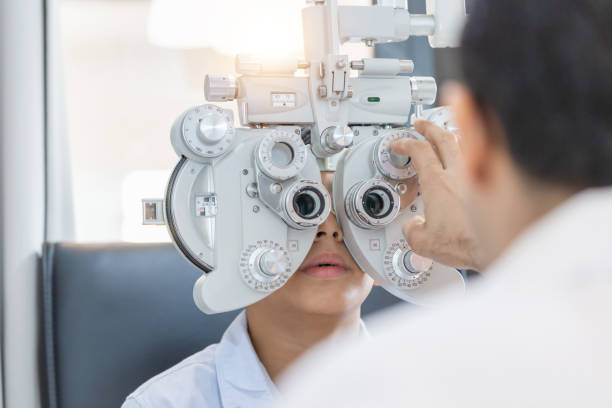
Ophthalmologist

Ophthalmologist

Experienced professionals manage routine eye care with high competence, using clinical skills. They offer expertise in vision correction and...

0.0LPA
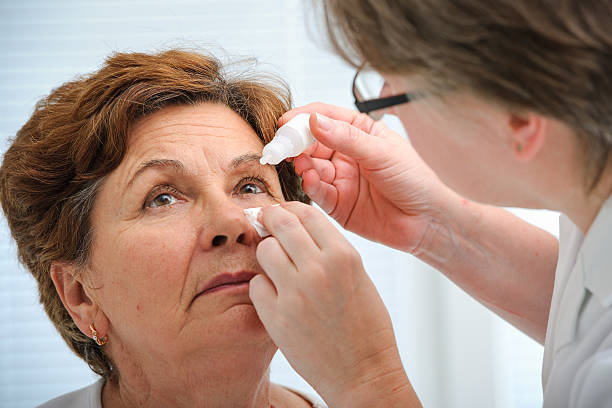
Senior Ophthalmologist

Senior Ophthalmologist

Specialists oversee complex cases with exceptional competence. They integrate deep ocular knowledge with expertise in diagnostics for impactful...

0.0LPA

Interested in this career?

Take the next step and explore more about Ophthalmologist.