Urologist

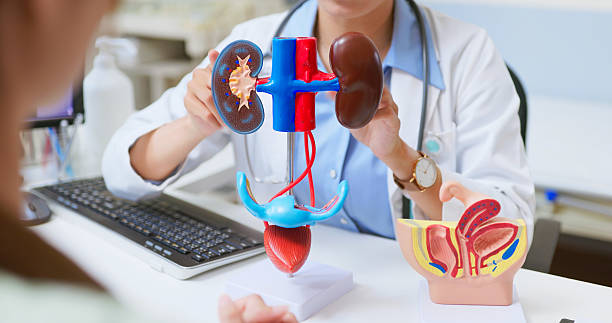
A Urologist is a medical specialist who diagnoses and treats diseases and disorders of the urinary tract system in both males and females, as well as the male reproductive system. They manage conditions such as kidney stones, urinary tract infections (UTIs), bladder issues, prostate disorders, and male infertility, often working in hospitals, clinics, or private practices. Urologists play a critical role in surgical and non-surgical interventions, addressing both acute and chronic conditions. By focusing on urological health, they contribute significantly to improving patient quality of life and tackling health issues that are often sensitive or stigmatized, in a world where urological disorders are increasingly common due to aging populations and lifestyle factors.
Share :
Career tree mind map (horizontal) — Urologist
Colored branches, hub circles, and underlined topics — same style as counselor course classic (types 18–19 in admin).
Loading mind map…

Overview

A Urologist is a medical specialist who diagnoses and treats diseases and disorders of the urinary tract system in both males and females, as well as the male reproductive system. They manage conditions such as kidney stones, urinary tract infections (UTIs), bladder issues, prostate disorders, and male infertility, often working in hospitals, clinics, or private practices. Urologists play a critical role in surgical and non-surgical interventions, addressing both acute and chronic conditions. By focusing on urological health, they contribute significantly to improving patient quality of life and tackling health issues that are often sensitive or stigmatized, in a world where urological disorders are increasingly common due to aging populations and lifestyle factors.

Urologists are highly trained physicians dedicated to the prevention, diagnosis, and treatment of conditions affecting the kidneys, ureters, bladder, urethra, and male reproductive organs. Their work involves performing diagnostic tests like cystoscopy or imaging, prescribing medications, and conducting surgeries such as prostatectomy or kidney stone removal. They often balance clinical practice with research or teaching, collaborating with other specialists to provide comprehensive care. Urologists are essential to healthcare, serving as experts in urinary and reproductive health, advancing treatments for urological conditions, and contributing to public health awareness in a landscape where these disorders impact millions globally.

Roles and Responsibilities

💼
Urologist
Roles and Responsibilities
Diagnosis of Urological Conditions
Conduct patient assessments through medical history and physical exams.
Order and interpret diagnostic tests like ultrasounds, CT scans, and urine analyses.
Treatment and Management
Prescribe medications or therapies for conditions like UTIs or erectile dysfunction.
Develop treatment plans for chronic issues like incontinence or kidney disease.
Surgical Interventions
Perform surgeries such as nephrectomies, prostate surgeries, or bladder repairs.
Conduct minimally invasive procedures like lithotripsy for kidney stones.
Reproductive Health Care
Treat male infertility through medical or surgical interventions.
Manage conditions like testicular cancer or varicocele.
Patient Education and Counselling
Educate patients on managing urological conditions and preventive care.
Advise on lifestyle changes to reduce risks of urological disorders.
Referral and Collaboration
Coordinate with nephrologists or oncologists for complex cases like kidney failure or cancer.
Work with multidisciplinary teams for integrated patient care.
Research and Development
Conduct studies on urological diseases to improve diagnostic or therapeutic approaches.
Contribute to clinical trials for new urological medications or devices.
Public Health Advocacy
Promote awareness of urological health issues like prostate cancer screening.
Participate in campaigns for early detection and prevention of urological disorders.

Roles and Responsibilities

  1. Diagnosis of Urological Conditions
    • Conduct patient assessments through medical history and physical exams.
    • Order and interpret diagnostic tests like ultrasounds, CT scans, and urine analyses.
  2. Treatment and Management
    • Prescribe medications or therapies for conditions like UTIs or erectile dysfunction.
    • Develop treatment plans for chronic issues like incontinence or kidney disease.
  3. Surgical Interventions
    • Perform surgeries such as nephrectomies, prostate surgeries, or bladder repairs.
    • Conduct minimally invasive procedures like lithotripsy for kidney stones.
  4. Reproductive Health Care
    • Treat male infertility through medical or surgical interventions.
    • Manage conditions like testicular cancer or varicocele.
  5. Patient Education and Counselling
    • Educate patients on managing urological conditions and preventive care.
    • Advise on lifestyle changes to reduce risks of urological disorders.
  6. Referral and Collaboration
    • Coordinate with nephrologists or oncologists for complex cases like kidney failure or cancer.
    • Work with multidisciplinary teams for integrated patient care.
  7. Research and Development
    • Conduct studies on urological diseases to improve diagnostic or therapeutic approaches.
    • Contribute to clinical trials for new urological medications or devices.
  8. Public Health Advocacy
    • Promote awareness of urological health issues like prostate cancer screening.
    • Participate in campaigns for early detection and prevention of urological disorders.

Study Route & Eligibility Criteria

Study Route & Eligibility Criteria
Urologist
Route 1
🎓
1
10+2 with Physics, Chemistry, Biology
🏛️
2
MBBS degree
📚
3
MS in General Surgery
3 years
💼
4
MCh in Urology
3 years
💼
5
Clinical practice as Urologist
Route 2
🎓
1
10+2 with Physics, Chemistry, Biology
🏛️
2
MBBS degree
📚
3
DNB in General Surgery
3 years
💼
4
DNB in Urology
3 years
🌍
5
Specialized clinical role
Route 3
🎓
1
10+2 with Physics, Chemistry, Biology
🏛️
2
MBBS degree
📚
3
MS in General Surgery
3 years
💼
4
Fellowship in Urology subspecialties
1-2 years
💼
5
Practice in specific urological areas
(International)
🎓
1
10+2 with Physics, Chemistry, Biology
🏛️
2
MBBS degree
📚
3
International residency or fellowship in Urology
3-5 years
💼
4
Clinical role abroad or in India
🎯 Urologist - Professional

Significant Observations (Academic Related Points)

💡
Urologist
Academic Related Points
1
Medical Foundation
A strong background in basic medical sciences during MBBS is essential for urology.
2
Surgical Exposure
Early training in general surgery during postgraduate studies builds critical skills.
3
Specialized Training
Super-specialty degrees like MCh or DNB in Urology provide deep expertise in the field.
4
Diagnostic Skills
Proficiency in urological imaging and endoscopic procedures is vital for accurate diagnosis.
5
Interdisciplinary Knowledge
Understanding nephrology and oncology aids in managing related urological conditions.
6
Certification Importance
Registration with medical councils (like MCI in India) is mandatory for legal practice.
7
Continuing Education
Regular participation in CME (Continuing Medical Education) programs is necessary to stay updated.
8
Global Standards
Aligning with international medical guidelines boosts opportunities for practice abroad.
9
Patient Interaction
Strong communication skills are crucial for discussing sensitive urological issues.
10
Entrance Examination Success
Clearing exams like NEET-UG for MBBS or NEET-SS for MCh is mandatory in India.
11
International Testing Requirements
For practice abroad, strong performance in exams like USMLE, PLAB, or AMC is necessary.

Internships & Practical Exposure

💼
Urologist
Internships & Practical Experience
1
Mandatory internship during MBBS in hospital settings across specialties.
2
Rotations in general surgery and urology during internship and residency.
3
Postgraduate residency in surgery and urology for hands-on patient management.
4
Observerships with experienced urologists in hospitals or clinics.
5
Participation in urological health camps for community outreach.
6
Training in endoscopic procedures, cystoscopy, and robotic surgery.
7
Exposure to chronic urological disease management through patient follow-ups.
8
Clinical projects on urological conditions during medical training.
9
Public health initiatives for awareness on prostate health or kidney stones.
10
International clinical attachments for global exposure to urological practices.

Courses & Specializations to Enter the Field

📚
Urologist
Courses & Specializations
📖
MBBS (Bachelor of Medicine and Bachelor of Surgery)
📖
MS in General Surgery
📖
MCh in Urology
📖
DNB in Urology
📖
Fellowship in Endourology
📖
Fellowship in Uro-Oncology
📖
Training in Paediatric Urology
📖
Specialization in Andrology and Male Infertility
📖
Workshops on Robotic and Laparoscopic Urological Surgery
📖
Short Courses on Urological Imaging and Diagnostics

Prominent Employers

🏢
Urologist
🌟 Top Companies & Organizations
🇮🇳 India
🏛️
All India Institute of Medical Sciences (AIIMS)
🏛️
Postgraduate Institute of Medical Education and Research (PGIMER)
🏛️
Apollo Hospitals
🏛️
Fortis Healthcare
🏛️
Max Healthcare
🏛️
Christian Medical College (CMC), Vellore
🏛️
Medanta – The Medicity
🏛️
Narayana Health
🏛️
Manipal Hospitals
🏛️
Sanjay Gandhi Postgraduate Institute of Medical Sciences (SGPGIMS)
🌍 International
🌐
Mayo Clinic, USA
🌐
Cleveland Clinic, USA
🌐
Johns Hopkins Hospital, USA
🌐
Massachusetts General Hospital, USA
🌐
Guy’s and St Thomas’ NHS Foundation Trust, UK
🌐
Toronto General Hospital, Canada
🌐
Mount Sinai Hospital, USA
🌐
Royal Melbourne Hospital, Australia
🌐
Stanford Health Care, USA
🌐
UCLA Medical Center, USA

Advice for Aspiring Urologists

💡
Urologist
🌟 Tips for Students & Parents
1
Focus on building a strong foundation in medical sciences during MBBS to ease the transition to specialized training.
2
Gain early exposure to surgery and urology through internships and observerships to confirm interest in the field.
3
Prepare thoroughly for entrance exams like NEET-PG and NEET-SS to secure seats in reputed institutions.
4
Seek mentorship from experienced urologists to guide career decisions and subspecialty choices.
5
Stay updated on technological advancements like robotic surgery to remain competitive in the field.
6
Develop hands-on skills in minimally invasive techniques during residency for better patient outcomes.
7
Engage in research projects to contribute to urological advancements and enhance your CV.
8
Join professional associations like the Urological Society of India (USI) for networking and resources.
9
Work on public speaking and patient counseling skills to address sensitive urological issues effectively.
10
Explore international fellowships for global exposure to cutting-edge urological practices.
11
Volunteer in community health programs to understand public urological health challenges.
12
Cultivate empathy and communication skills to build trust and support patients, especially on sensitive topics.
13
Attend workshops and CME programs to stay updated on advancements in urological care and technology.
14
Build a network with healthcare professionals for referrals and interdisciplinary collaboration.
15
Develop resilience to handle the emotional and professional demands of complex urological cases.
16
Balance clinical practice with continuous learning to adapt to evolving healthcare needs and technologies.
🎓 Final Message
A career as a Urologist offers a profound opportunity to serve as a cornerstone of urinary and reproductive healthcare, providing essential medical and surgical care to individuals suffering from urological disorders. From diagnosing and treating a wide array of conditions affecting the urinary tract and male reproductive system to performing life-changing surgeries, urologists play a vital role in enhancing patient well-being. This field combines clinical expertise, surgical precision, and a commitment to improving urological health, offering diverse paths in hospitals, private practice, and research. For those passionate about making a direct impact on individual lives and addressing the often sensitive burden of urological diseases, a career as a Urologist provides an emotionally and professionally rewarding journey with the potential to make significant contributions to medicine and society by enhancing the quality of life for countless individuals worldwide.
Knowledge & Skills You Will Learn
1
Diagnostic skills for identifying urological conditions through tests and imaging
2
Proficiency in urological surgeries and minimally invasive procedures
3
Critical thinking for developing effective treatment plans in complex cases
4
Empathy and communication for patient and family interactions, especially on sensitive topics
5
Time management for handling multiple patients and surgical schedules
6
Adaptability for addressing diverse and acute urological issues
7
Interpersonal skills for building trust with patients
8
Problem-solving for managing complex or unclear diagnoses
9
Organizational skills for maintaining patient records and coordinating care
10
Emotional resilience for handling challenging medical situations
Intern

Intern

Early-career doctors gain hands-on experience in hospital settings across departments, including general surgery, internal medicine, and emergency...

0.0LPA

Junior Resident

Junior Resident

Trainees focus on general surgery and urology, building expertise in urological care through direct patient management and assisting in surgeries....

0.0LPA

Urologist

Urologist

Early-career specialists manage urological conditions independently in clinics or hospitals, diagnosing and treating issues like kidney stones,...

0.0LPA

Interested in this career?

Take the next step and explore more about Urologist.