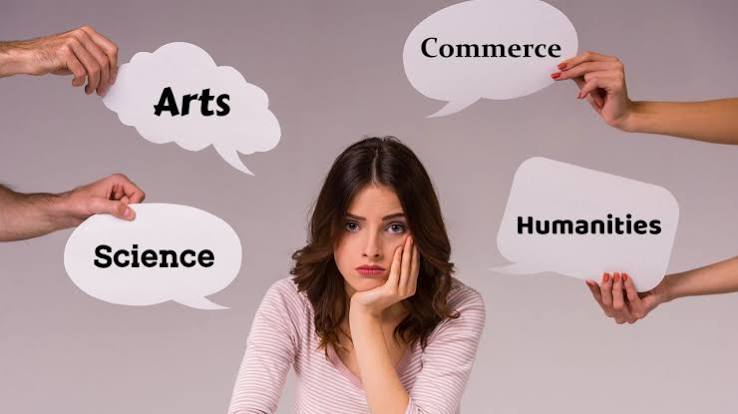

If you ask today's parents what they wanted to become when they were teenagers, the answers are likely to include doctor, engineer, teacher, banker, government officer, or lawyer. Two decades ago, career choices were relatively limited, and most families believed that a handful of professions offered the best opportunities for success and financial stability.
Fast forward to today, and the career landscape has changed dramatically. Technology, globalization, automation, entrepreneurship, and changing workplace expectations have created thousands of new career opportunities that simply didn't exist a generation ago. As a result, the way parents guide their children also needs to evolve.
Understanding how careers have changed over the last 20 years can help parents prepare their children for a future that looks very different from the past.
Career Options Were Once Limited
Twenty years ago, most students were familiar with only a small number of professions.
Common career choices included:
- Doctor.
- Engineer.
- Chartered Accountant.
- Teacher.
- Lawyer.
- Government Officer.
- Banker.
- Civil Services.
- Defence Services.
Career guidance was limited, and students often chose careers based on family expectations, social prestige, or the advice of relatives and teachers.
Today, children have access to a much wider world of opportunities.
Technology Has Created Entirely New Careers
The rapid growth of technology has transformed almost every industry.
Many careers that are highly sought after today did not exist—or were very uncommon—20 years ago.
Examples include:
- Artificial Intelligence Engineer.
- Data Scientist.
- Cybersecurity Analyst.
- Cloud Computing Specialist.
- UX/UI Designer.
- Digital Marketing Manager.
- Social Media Strategist.
- Blockchain Developer.
- Machine Learning Engineer.
- Prompt Engineer.
- Product Manager.
- Data Analyst.
These roles have emerged because technology continues to reshape the way we live and work.
Traditional Careers Have Also Evolved
It's not just new careers that have changed. Many traditional professions now require completely different skills than they did in the past.
For example:
- Doctors increasingly use digital health technologies and AI-assisted diagnostics.
- Engineers work with automation, robotics, and smart technologies.
- Teachers integrate digital learning tools and personalized education.
- Accountants rely on financial software, data analytics, and automation.
- Journalists create multimedia content for digital platforms.
- Architects use advanced design software and sustainable building practices.
Today's professionals must continuously learn and adapt throughout their careers.
Skills Are Becoming as Important as Degrees
Earlier, earning a degree was often enough to secure a good job.
Today, employers also look for practical skills that help individuals succeed in dynamic work environments.
Highly valued skills include:
- Communication.
- Critical thinking.
- Creativity.
- Problem-solving.
- Collaboration.
- Digital literacy.
- Leadership.
- Adaptability.
- Emotional intelligence.
- Time management.
A degree may open the door, but skills often determine long-term career growth.
Entrepreneurship Has Become a Popular Career Path
In the past, entrepreneurship was often seen as risky and suitable only for a few people.
Today, many young professionals choose to:
- Start businesses.
- Build technology startups.
- Launch online brands.
- Create digital products.
- Become freelancers or consultants.
- Work as content creators.
Entrepreneurship is increasingly recognised as a viable career option rather than an alternative to employment.
Flexible Careers Are Becoming More Common
The traditional idea of working for one company throughout an entire career is becoming less common.
Many professionals now:
- Work remotely.
- Take on freelance projects.
- Build multiple income streams.
- Switch industries.
- Pursue portfolio careers.
- Work with global teams.
Children entering today's workforce need to be prepared for flexibility and lifelong learning.
Career Success Is No Longer Defined by One Profession
Earlier, success was often associated with a few prestigious careers.
Today, successful professionals can be found in almost every field.
Examples include:
- Sports Management.
- Animation.
- Game Design.
- Environmental Science.
- Culinary Arts.
- Event Management.
- Fashion Technology.
- Aviation.
- Film Production.
- Digital Media.
- Financial Technology (FinTech).
- Sustainability and Climate Solutions.
The focus has shifted from choosing the "best" career to choosing the career that best fits an individual's strengths and interests.
AI Is Changing the Future of Work
Artificial Intelligence is transforming how work is done across industries.
Rather than replacing every job, AI is changing the skills professionals need.
Children will increasingly benefit from learning:
- Digital skills.
- Data literacy.
- AI awareness.
- Creative thinking.
- Complex problem-solving.
- Ethical decision-making.
- Collaboration with technology.
Preparing children for the future means helping them learn how to work alongside technology rather than fear it.
Parents Need to Change the Way They Guide Their Children
Many parents naturally advise children based on the careers they were familiar with growing up. While their intentions are good, the world their children are entering is very different.
Parents can support their children by:
- Staying informed about emerging careers.
- Encouraging exploration instead of early specialization.
- Looking beyond traditional professions.
- Supporting skill development alongside academics.
- Helping children understand their strengths and interests.
- Being open to new career pathways.
The role of parents is shifting from choosing careers to helping children make informed decisions.
What Has Stayed the Same?
Although career opportunities have changed, some things remain just as important as they were 20 years ago.
Children still need:
- Strong values.
- Discipline.
- Curiosity.
- Hard work.
- Communication skills.
- Integrity.
- A willingness to learn.
- Resilience.
These qualities continue to form the foundation of long-term success, regardless of the career they choose.
Preparing Children for Tomorrow's Careers
The best way to prepare children is not by predicting one perfect career but by helping them build the mindset and skills to succeed in a changing world.
Parents can encourage children to:
- Explore different career fields.
- Develop future-ready skills.
- Stay curious about technology and innovation.
- Participate in extracurricular activities.
- Build confidence through real-world experiences.
- Learn continuously and adapt to change.
Children who become lifelong learners will be better equipped to navigate future opportunities.
Final Thoughts
The world of careers has changed more in the last 20 years than many previous generations experienced in a lifetime. New industries have emerged, technology has transformed traditional professions, and skills such as creativity, adaptability, and digital literacy have become just as important as academic qualifications. The careers available to today's children are far more diverse than those their parents had growing up, and this trend will only continue.
For parents, this means career guidance can no longer rely solely on familiar professions or past experiences. Instead, the focus should be on helping children understand themselves, explore a wide range of opportunities, and develop the skills needed to thrive in an ever-changing world. By embracing this new approach, parents can empower their children to build careers that are not only successful but also meaningful and future-ready.