Aerobiologist
Aerology Research Scholar (PhD)
Explore Career
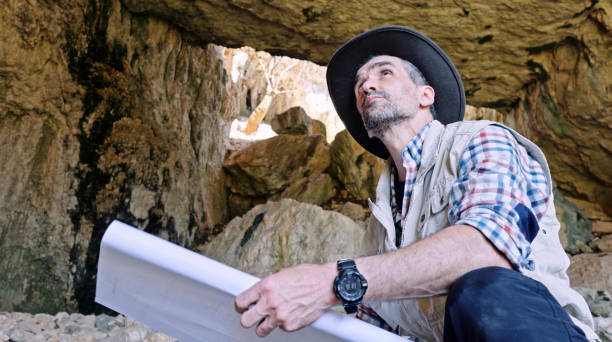
An Archaeozoologist is a specialized scientist who studies animal remains from archaeological sites to understand past human-animal interactions, ancient ecosystems, and cultural practices. They work within research institutions, museums, universities, cultural heritage organizations, and environmental agencies. Archaeozoologists analyze bones, teeth, and other faunal remains to reconstruct historical diets, domestication processes, hunting practices, and environmental conditions. Combining expertise in zoology, archaeology, and anthropology, they play a crucial role in addressing global challenges like understanding human history, climate change impacts, and biodiversity loss by examining the faunal record, which provides critical insights into past societies and ecosystems in a world where historical data informs sustainable future practices.
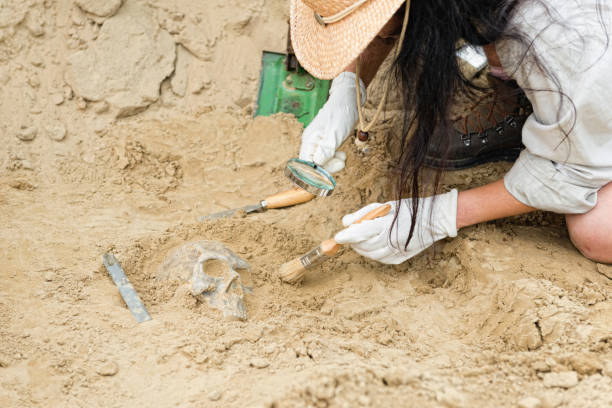
Archaeozoologists are scientists who focus on the analysis of animal remains recovered from archaeological contexts, investigating species identification, age, sex, and evidence of human use. Their work involves fieldwork at excavation sites, laboratory analysis of skeletal remains, developing interpretations of past human behaviours, and contributing to broader archaeological narratives. They often operate in academic, governmental, or museum settings, balancing research with interdisciplinary collaboration and public education. Archaeozoologists are essential to cultural and environmental studies, serving as experts in faunal analysis, contributing to solutions for heritage preservation, ecological reconstruction, and historical understanding, addressing pressing issues through meticulous research, and enhancing knowledge of human history through evidence-based strategies in a scientific landscape where the past informs present and future challenges.
| Route | Steps |
| Route 1 | 1. 10+2 with Physics, Chemistry, Biology (PCB) or History. 2. Bachelor’s degree in Archaeology, Anthropology, or Zoology (3-4 years). 3. Master’s degree in Archaeozoology, Zooarchaeology, or Archaeology (2 years). 4. PhD in Archaeozoology or related field for research roles (3-5 years). 5. Postdoctoral research or certification in specialized techniques (optional). |
| Route 2 | 1. 10+2 with Physics, Chemistry, Biology (PCB) or History. 2. Bachelor’s degree in Biology or Environmental Science (3-4 years). 3. Master’s degree in Archaeology or Bioarchaeology (2 years). 4. Specialized training or diploma in Archaeozoology (1-2 years). 5. Research or museum experience in faunal analysis. |
| Route 3 | 1. 10+2 with Physics, Chemistry, Biology (PCB) or History. 2. Bachelor’s degree in Wildlife Science or Anthropology (3-4 years). 3. Master’s degree in Environmental Archaeology or Osteoarchaeology (2 years). 4. Fellowship or research project in Archaeozoology (1-3 years). 5. Certification in faunal analysis or related fields. |
| Route 4 | 1. 10+2 with Physics, Chemistry, Biology (PCB) or History. 2. Bachelor’s degree from India in relevant field (3-4 years). 3. International Master’s or PhD program in Archaeozoology or Zooarchaeology. 4. Research or training abroad in specialized archaeozoology labs (2-5 years). 5. Certification or licensure for international practice (if applicable). |
| Institute | Course/Program | Official Link |
| University of Delhi, Delhi | M.A./M.Sc. in Archaeology/Anthropology | https://www.du.ac.in/ |
| Banaras Hindu University (BHU), Varanasi | M.A. in Archaeology | https://www.bhu.ac.in/ |
| University of Calcutta, Kolkata | M.A. in Archaeology | https://www.caluniv.ac.in/ |
| Savitribai Phule Pune University, Pune | M.A. in Archaeology | https://www.unipune.ac.in/ |
| University of Madras, Chennai | M.A. in Ancient History and Archaeology | https://www.unom.ac.in/ |
| Aligarh Muslim University (AMU), Aligarh | M.A. in Archaeology | https://www.amu.ac.in/ |
| University of Kerala, Thiruvananthapuram | M.A. in Archaeology | https://www.keralauniversity.ac.in/ |
| Andhra University, Visakhapatnam | M.A. in Ancient History and Archaeology | https://www.andhrauniversity.edu.in/ |
| Jawaharlal Nehru University (JNU), Delhi | M.A. in Ancient History | https://www.jnu.ac.in/ |
| Archaeological Survey of India (ASI), Delhi | Training Programs in Archaeology | https://asi.nic.in/ |
| Institution | Course | Country | Official Link |
| University College London (UCL) | MA/MSc in Bioarchaeology | UK | https://www.ucl.ac.uk/ |
| University of York | MSc in Zooarchaeology | UK | https://www.york.ac.uk/ |
| University of Sheffield | MA in Osteoarchaeology | UK | https://www.sheffield.ac.uk/ |
| Harvard University | PhD in Anthropology (Archaeology focus) | USA | https://www.harvard.edu/ |
| University of Arizona, Tucson | MA/PhD in Anthropology (Archaeology focus) | USA | https://www.arizona.edu/ |
| Leiden University | MA in Archaeology (Bioarchaeology focus) | Netherlands | https://www.universiteitleiden.nl/ |
| University of Toronto | MA/PhD in Anthropology | Canada | https://www.utoronto.ca/ |
| Australian National University | MA in Archaeological Science | Australia | https://www.anu.edu.au/ |
| University of Copenhagen | MSc in Archaeology | Denmark | https://www.ku.dk/ |
| Stockholm University | MA in Archaeology | Sweden | https://www.su.se/ |
India:
International:
Undergraduate Student → Graduate Researcher (Master’s) → Doctoral Researcher (PhD) → Junior Archaeozoologist → Established Archaeozoologist → Senior Archaeozoologist/Research Head → Program Director/Professor of Archaeozoology
| India | International |
| Archaeological Survey of India (ASI) | UNESCO |
| Indian Council of Historical Research (ICHR) | Smithsonian Institution, USA |
| Wildlife Institute of India (WII) | British Museum, UK |
| University of Delhi | University College London, UK |
| Banaras Hindu University (BHU) | Harvard University, USA |
| The Energy and Resources Institute (TERI) | Natural History Museum, UK |
| Jawaharlal Nehru University (JNU) | University of York, UK |
| National Museum, New Delhi | Australian National University, Australia |
| University of Calcutta | University of Toronto, Canada |
| Ministry of Culture, India | International Council on Monuments and Sites (ICOMOS) |
| Pros | Cons |
| Significant contribution to understanding human history through faunal analysis. | Extended academic journey requiring 8-12 years for advanced roles, demanding time and resources. |
| Intellectually stimulating work combining archaeology, zoology, and anthropology. | Competitive research funding, often requiring persistent effort to secure grants. |
| High impact on global challenges like cultural preservation and ecological reconstruction. | Fieldwork risks, including exposure to harsh conditions during excavations. |
| Opportunities for innovation in isotopic analysis and ancient DNA studies. | Limited public awareness of archaeozoology, leading to fewer mainstream job opportunities in some regions. |
| Growing relevance due to increasing demand for historical data in sustainability studies. | Technological and logistical barriers in accessing and analyzing ancient remains. |
| Career Level | India (₹ per annum) | International (US$ per annum) |
| Research Scholar (PhD) | 3,00,000 - 6,00,000 | $30,000 - $40,000 |
| Junior Archaeozoologist | 5,00,000 - 10,00,000 | $45,000 - $65,000 |
| Established Archaeozoologist | 10,00,000 - 18,00,000 | $65,000 - $90,000 |
| Senior Archaeozoologist/Research Lead | 18,00,000 - 30,00,000 | $90,000 - $120,000 |
| Program Director/Professor | 30,00,000 - 45,00,000 | $120,000 - $150,000 |
A career as an Archaeozoologist offers a unique opportunity to impact cultural heritage, environmental understanding, and historical knowledge by studying ancient animal remains and their relationship to human societies. From conducting detailed fieldwork and laboratory research to reconstructing past ecosystems and human behaviors, Archaeozoologists play a pivotal role in addressing some of the world’s most pressing challenges. This field combines scientific inquiry, historical interpretation, and interdisciplinary collaboration, offering diverse paths in research, museums, policy, and education. For those passionate about archaeology, zoology, and cultural preservation, a career as an Archaeozoologist provides a deeply rewarding journey with significant potential for making meaningful contributions to society in an era where understanding the past continues to shape sustainable and informed futures.

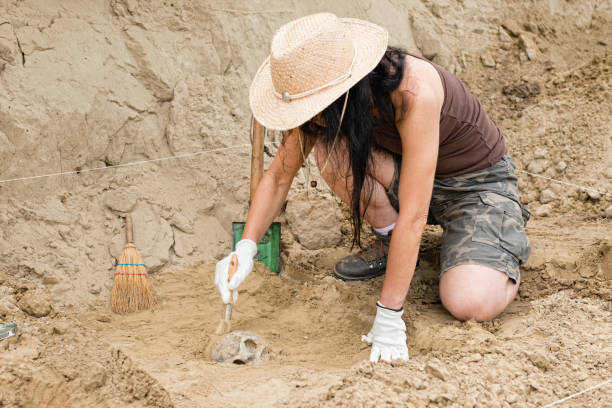
Early-career archaeozoologists establish research or applied roles, often joining academic groups, museums, or government bodies while developing...
0.0LPA
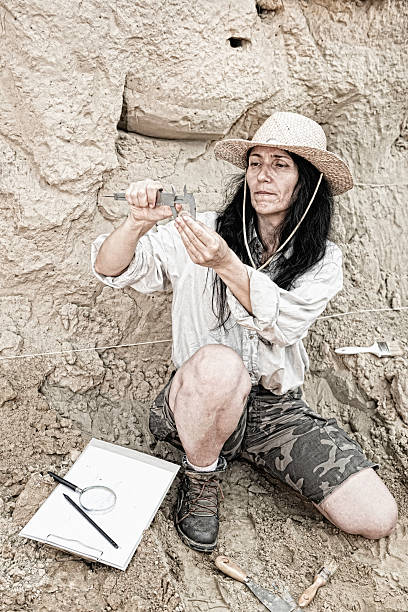
Mid-career specialists maintain active research portfolios, often developing subspecialty interests within archaeozoology such as isotopic...
0.0LPA
Experienced archaeozoologists often take leadership roles, overseeing research teams or programs while mentoring junior researchers and shaping...
0.0LPA
Take the next step and explore more about Archaeozoologist.
Explore similar career paths that might interest you