Aerobiologist
Aerology Research Scholar (PhD)
Explore Career
A Cell Biologist is a dedicated scientific professional who studies the structure, function, and behavior of cells—the fundamental units of life—to uncover insights into biological processes, disease mechanisms, and therapeutic possibilities. They work in academic institutions, research laboratories, biotechnology firms, and healthcare sectors, collaborating with scientists, clinicians, and industry experts to advance knowledge in cellular mechanisms and contribute to innovations in medicine, genetics, and regenerative therapies. Cell Biologists play a critical role in scientific discovery and health solutions in an era where cellular research drives progress in combating diseases, understanding aging, and enhancing biotechnological applications.

Cell Biologists are meticulous researchers focused on exploring cellular components, interactions, and dynamics using advanced microscopy, molecular techniques, and computational tools to understand how cells operate, communicate, and respond to their environments. Their work involves designing experiments, analyzing intricate data, and applying findings to critical areas such as cancer treatment, stem cell therapy, and infectious disease control. Operating primarily in laboratory settings, they blend technical precision, analytical thinking, and specialized expertise to push the boundaries of cellular science. As essential contributors to pure sciences and research, Cell Biologists fuel advancements in a landscape increasingly shaped by cellular therapies, genetic engineering, and personalized medicine.
| Route | Steps |
| Route 1 | 1. 10+2 in Science stream (Physics, Chemistry, Biology mandatory) |
| 2. Bachelor’s in Cell Biology, Biotechnology, or Life Sciences (3-4 years) | |
| 3. Start as a Junior Research Assistant or Lab Technician in cell biology labs | |
| Route 2 | 1. 10+2 in Science stream (Physics, Chemistry, Biology mandatory) |
| 2. Bachelor’s in Cell Biology, Biotechnology, or Life Sciences (3-4 years) | |
| 3. Master’s in Cell Biology or related field (2 years) | |
| 4. Work as a Research Associate in academic or industry settings | |
| Route 3 | 1. 10+2 in Science stream (Physics, Chemistry, Biology mandatory) |
| 2. Bachelor’s in Cell Biology, Biotechnology, or Life Sciences (3-4 years) | |
| 3. Master’s in Cell Biology or specialized field (2 years) | |
| 4. Ph.D. in Cell Biology or related discipline (3-5 years) | |
| 5. Pursue roles as a Senior Cell Biologist or Principal Investigator | |
| Route 4 | 1. 10+2 in Science stream (Physics, Chemistry, Biology mandatory) |
| 2. Bachelor’s in Cell Biology, Biotechnology, or Life Sciences (3-4 years) | |
| 3. Master’s in Cell Biology or specialized field (2 years) | |
| 4. Ph.D. in Cell Biology or related discipline (3-5 years) | |
| 5. Postdoctoral Research (1-3 years) | |
| 6. Serve as a Lead Researcher, Professor, or Biotech Specialist |
| Institute | Course/Program | Official Link |
| Indian Institute of Science (IISc), Bangalore | B.Sc., M.Sc., Ph.D. in Biological Sciences | https://iisc.ac.in/ |
| Jawaharlal Nehru University (JNU), Delhi | M.Sc., Ph.D. in Life Sciences | https://www.jnu.ac.in/ |
| Tata Institute of Fundamental Research (TIFR), Mumbai | Ph.D. in Cell Biology | https://www.tifr.res.in/ |
| National Centre for Biological Sciences (NCBS), Bangalore | M.Sc., Ph.D. in Cell Biology | https://www.ncbs.res.in/ |
| University of Hyderabad, Hyderabad | M.Sc., Ph.D. in Cell Biology | https://uohyd.ac.in/ |
| Banaras Hindu University (BHU), Varanasi | B.Sc., M.Sc., Ph.D. in Life Sciences | https://www.bhu.ac.in/ |
| Indian Institute of Technology (IIT), Bombay | B.Tech, M.Tech, Ph.D. in Biotechnology | https://www.iitb.ac.in/ |
| University of Delhi, Delhi | B.Sc., M.Sc., Ph.D. in Biological Sciences | https://www.du.ac.in/ |
| National Institute of Immunology (NII), New Delhi | Ph.D. in Cellular Immunology | https://nii.res.in/ |
| Centre for Cellular and Molecular Biology (CCMB), Hyderabad | Ph.D. in Cell Biology | https://www.ccmb.res.in/ |
| Institution | Course | Country | Official Link |
| Harvard University, Cambridge | B.A., M.A., Ph.D. in Cell Biology | USA | https://www.harvard.edu/ |
| Stanford University, Stanford | B.S., M.S., Ph.D. in Cell Biology | USA | https://www.stanford.edu/ |
| University of Cambridge, Cambridge | B.A., M.Phil., Ph.D. in Cell Biology | UK | https://www.cam.ac.uk/ |
| Massachusetts Institute of Technology (MIT), Cambridge | B.S., Ph.D. in Biology (Cell Focus) | USA | https://www.mit.edu/ |
| University of Oxford, Oxford | B.A., D.Phil. in Cell Biology | UK | https://www.ox.ac.uk/ |
| University of California, San Francisco (UCSF) | Ph.D. in Cell Biology | USA | https://www.ucsf.edu/ |
| ETH Zurich, Zurich | B.Sc., M.Sc., Ph.D. in Cell Biology | Switzerland | https://ethz.ch/en.html |
| University of Toronto, Toronto | B.Sc., M.Sc., Ph.D. in Cell and Systems Biology | Canada | https://www.utoronto.ca/ |
| Australian National University, Canberra | B.Sc., M.Sc., Ph.D. in Cell Biology | Australia | https://www.anu.edu.au/ |
| University of Tokyo, Tokyo | B.Sc., M.Sc., Ph.D. in Cell Biology | Japan | https://www.u-tokyo.ac.jp/en/ |
India:
International:
Junior Research Assistant → Cell Biology Researcher → Senior Cell Biologist → Principal Investigator → Research Program Director → Academic Professor → Biotech R&D Lead
| India | International |
| Indian Council of Medical Research (ICMR) | National Institutes of Health (NIH), USA |
| Council of Scientific and Industrial Research (CSIR) | World Health Organization (WHO), Global |
| Department of Biotechnology (DBT) | Centers for Disease Control and Prevention (CDC), USA |
| National Institute of Immunology (NII) | European Molecular Biology Laboratory (EMBL), Europe |
| Biocon | Pfizer, USA |
| Serum Institute of India | Novartis, Switzerland |
| Dr. Reddy’s Laboratories | Roche, Switzerland |
| Centre for Cellular and Molecular Biology (CCMB) | GlaxoSmithKline (GSK), UK |
| National Centre for Cell Science (NCCS) | Bayer, Germany |
| Tata Institute of Fundamental Research (TIFR) | Amgen, USA |
| Pros | Cons |
| Opportunity to contribute to transformative discoveries in health and cellular therapies | Extensive educational requirements with advanced degrees needed for impactful roles |
| Potential for societal impact through advancements in disease treatment and regeneration | Highly competitive field with limited funding or positions for cutting-edge research |
| Intellectually rewarding career uncovering the fundamental mechanisms of life | Long hours in labs with repetitive tasks and high-pressure experimental demands |
| Diverse career options across academia, industry, healthcare, and biotechnology | Slow career advancement reliant on publications, grants, or research success |
| Strong potential for innovation with the rise of stem cell research and personalized medicine | Stress to achieve consistent results or secure funding in a research-driven environment |
(Figures are approximate and based on latest available data as of 2026, subject to change. Salaries vary based on location, experience, sector (academic vs. industry), and specialization.)
| Career Level | India (₹ per annum) | International (USD per annum) |
| Junior Research Assistant (Early Career) | 3,00,000 - 6,00,000 | 30,000 - 50,000 |
| Cell Biology Researcher (Mid-Career) | 6,00,000 - 12,00,000 | 50,000 - 80,000 |
| Senior Cell Biologist (Established) | 12,00,000 - 20,00,000 | 80,000 - 120,000 |
| Principal Investigator/Research Program Director | 20,00,000 - 40,00,000 | 120,000 - 180,000 |
| Academic Professor/Biotech R&D Lead | 40,00,000+ | 180,000+ |
Embarking on a career as a Cell Biologist presents an extraordinary opportunity to probe the very essence of life, unlocking cellular secrets that pave the way for medical breakthroughs and scientific progress. From deciphering disease mechanisms to pioneering regenerative therapies, Cell Biologists are at the heart of transformative research. This domain integrates rigorous analysis, innovative experimentation, and an unwavering commitment to unraveling life’s microscopic intricacies, offering varied trajectories in academia, industry, and healthcare. For those captivated by the mysteries of cellular function, keen to embrace rapidly advancing scientific frontiers, and dedicated to solving critical global health issues, a career as a Cell Biologist offers a profoundly stimulating and immensely rewarding professional path with the potential to leave a lasting impact on science and humanity.

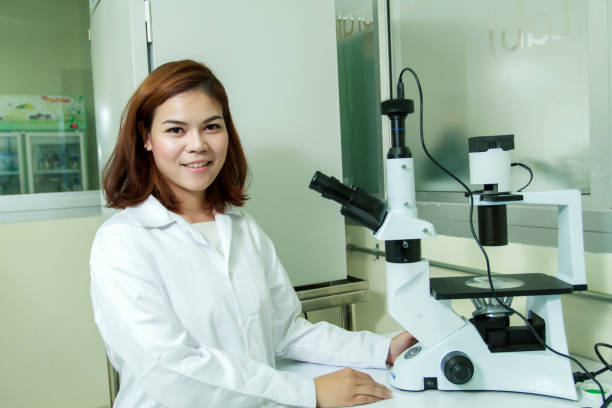
Early-career professionals assist in cell biology experiments, handling tasks like cell culture maintenance or data collection under supervision....
0.0LPA
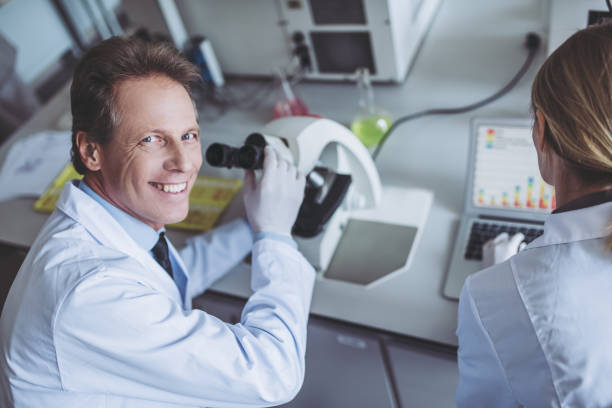
Specialists conduct independent or team-based research on cellular processes, focusing on areas like cell signaling or differentiation. They...
0.0LPA
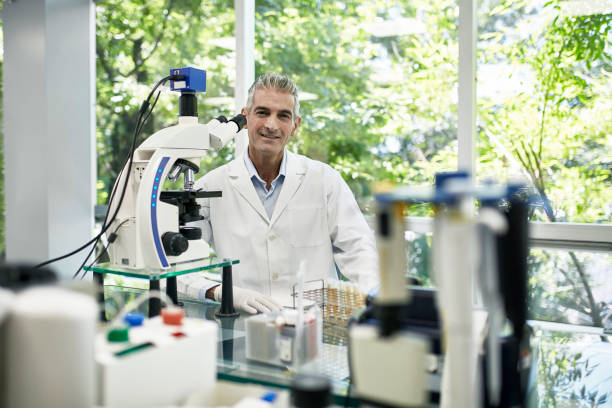
Experienced researchers lead specific studies or oversee lab teams, specializing in topics like stem cells or cancer biology. They guide...
0.0LPA
Take the next step and explore more about Cell Biologist.
Explore similar career paths that might interest you