Overview
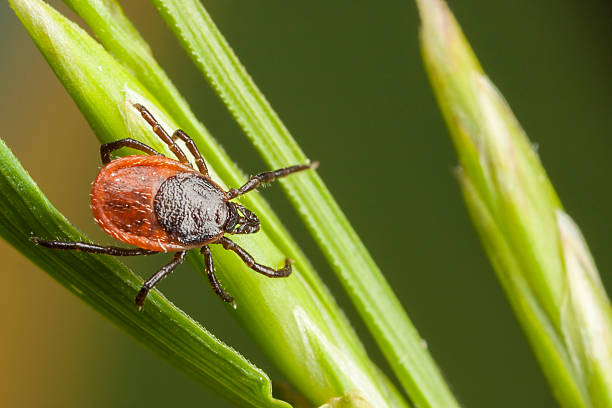
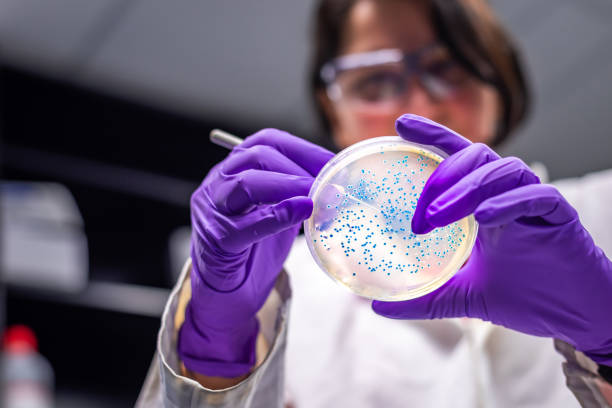
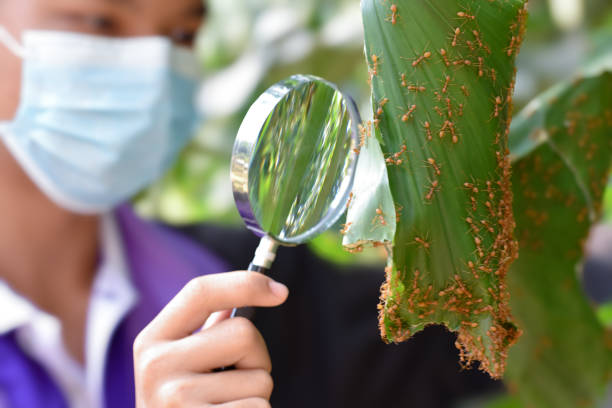
An Insectologist, also commonly referred to as an Entomologist, is a specialized scientist who studies insects, their biology, behavior, ecology, and interactions with humans and the environment. They work in research institutions, agricultural sectors, universities, public health organizations, and environmental agencies. Insectologists apply biological, ecological, and molecular techniques to understand insect diversity, manage pest populations, and protect beneficial species, contributing to fields like agriculture, public health, and biodiversity conservation. Combining expertise in biology, ecology, and applied sciences, they play a crucial role in addressing pest-related challenges, supporting food security, and advancing scientific knowledge in a world where insects significantly impact ecosystems, economies, and human health.
Insectologists are experts who focus on the study of insects, their life cycles, habitats, and roles in ecosystems to address issues like crop protection, disease transmission, and environmental balance. Their work involves conducting field and laboratory research, identifying insect species, studying pest control methods, and developing strategies for conservation or management. They often operate in academic, governmental, or industrial settings, balancing technical research with practical applications and interdisciplinary collaboration. Insectologists are essential to fields like agriculture, vector control, and ecological research, serving as experts in insect science, contributing to solutions for sustainable farming, advancing public health measures, and protecting scientific integrity, addressing pressing global issues through rigorous research, and improving outcomes through evidence-based strategies in a scientific landscape where insectology’s relevance continues to grow due to climate change and globalization.
Roles and Responsibilities
💼
insectologist
Roles and Responsibilities
Insect Taxonomy and Identification
Classify and identify insect species using morphological and molecular techniques.
Document biodiversity and contribute to databases of insect fauna.
Pest Management
Develop integrated pest management (IPM) strategies to control harmful insects in agriculture and urban settings.
Study insect resistance to pesticides and recommend alternative control methods.
Ecological Research
Investigate the role of insects in ecosystems, including pollination, decomposition, and food webs.
Assess the impact of environmental changes on insect populations and diversity.
Public Health Protection
Study insects as vectors of diseases like malaria, dengue, and Zika, and develop control measures.
Collaborate with health organizations to reduce disease transmission risks.
Agricultural Support
Research beneficial insects like pollinators and predators to enhance crop productivity.
Advise farmers on protecting crops from pest damage while minimizing environmental harm.
Conservation Efforts
Protect endangered insect species and their habitats through conservation programs.
Monitor invasive species and their effects on native ecosystems.
Forensic Entomology
Analyze insect evidence in criminal investigations to estimate time of death or location of events.
Provide expert testimony in legal cases involving insect-related evidence.
Education and Outreach
Teach courses on entomology and insect ecology in academic institutions.
Educate communities and policymakers on the importance of insects in ecosystems and economies.
Policy and Regulation
Advise on regulations related to pesticide use and insect conservation.
Contribute to guidelines for sustainable agricultural and environmental practices.
Interdisciplinary Collaboration
Work with agronomists, ecologists, and public health experts to integrate insectological data into broader projects.
Collaborate with industry to develop insect-based products or biotechnologies.
Roles and Responsibilities:
- Insect Taxonomy and Identification
- Classify and identify insect species using morphological and molecular techniques.
- Document biodiversity and contribute to databases of insect fauna.
- Pest Management
- Develop integrated pest management (IPM) strategies to control harmful insects in agriculture and urban settings.
- Study insect resistance to pesticides and recommend alternative control methods.
- Ecological Research
- Investigate the role of insects in ecosystems, including pollination, decomposition, and food webs.
- Assess the impact of environmental changes on insect populations and diversity.
- Public Health Protection
- Study insects as vectors of diseases like malaria, dengue, and Zika, and develop control measures.
- Collaborate with health organizations to reduce disease transmission risks.
- Agricultural Support
- Research beneficial insects like pollinators and predators to enhance crop productivity.
- Advise farmers on protecting crops from pest damage while minimizing environmental harm.
- Conservation Efforts
- Protect endangered insect species and their habitats through conservation programs.
- Monitor invasive species and their effects on native ecosystems.
- Forensic Entomology
- Analyze insect evidence in criminal investigations to estimate time of death or location of events.
- Provide expert testimony in legal cases involving insect-related evidence.
- Education and Outreach
- Teach courses on entomology and insect ecology in academic institutions.
- Educate communities and policymakers on the importance of insects in ecosystems and economies.
- Policy and Regulation
- Advise on regulations related to pesticide use and insect conservation.
- Contribute to guidelines for sustainable agricultural and environmental practices.
- Interdisciplinary Collaboration
- Work with agronomists, ecologists, and public health experts to integrate insectological data into broader projects.
- Collaborate with industry to develop insect-based products or biotechnologies.
Study Route & Eligibility Criteria
Study Route & Eligibility Criteria
insectologist
Route 1
🎓
1
10+2 with Physics, Chemistry, and Biology .
🏛️
2
Bachelor’s degree in Biology, Zoology, or Entomology .
3-4 years
🏛️
3
Master’s degree in Entomology or Insect Science .
2 years
💼
4
PhD in Entomology or related field .
💼
5
Postdoctoral research or field experience in insect science labs .
Route 2
🎓
1
10+2 with Physics, Chemistry, and Biology .
🏛️
2
Bachelor’s degree in Life Sciences or Environmental Science .
3-4 years
🏛️
3
Master’s degree in Entomology or Ecology .
2 years
💼
4
Specialized training in insect taxonomy or pest management .
💼
5
Practical experience in agricultural or research labs.
Route 3
🎓
1
10+2 with Physics, Chemistry, and Biology .
🏛️
2
Bachelor’s degree in Biotechnology or Applied Sciences .
3-4 years
🏛️
3
Master’s degree in Entomology or Insect Ecology .
2 years
💼
4
Internship or fellowship in insect research labs .
1-2 years
🌍
5
Certification in advanced pest control techniques .
Route 4
🎓
1
10+2 with Physics, Chemistry, and Biology .
🏛️
2
Bachelor’s degree from India in relevant field .
3-4 years
🎓
3
Master’s or PhD in Entomology abroad .
2-5 years
📚
4
Training or postdoctoral research in international insect science programs .
1-3 years
💼
5
Certification or licensure for international practice .
🎯
insectologist - Professional
Significant Observations (Academic Related Points)
💡
insectologist
Academic Related Points
1
Competitive Entrance Examinations:
Clearing university-specific entrance tests for Bachelor’s and Master’s programs or national-level exams for research fellowships in India and abroad is critical for entry into relevant programs.
2
Variable Academic Commitment:
Requires a journey of 5-10 years post-high school for most roles, with additional years for PhD or postdoctoral research in Insectology.
3
Strong Foundation in Core Subjects:
Academic excellence in subjects like Biology, Zoology, and Ecology during undergraduate studies is essential for understanding insect systems.
4
Practical Performance:
Hands-on training during Master’s or PhD programs in field sampling and lab techniques is crucial for securing competitive positions in Insectology.
5
Research and Publications:
Engaging in insectological research projects and publishing findings during academic or professional programs can enhance prospects for academic and industry roles.
6
Fellowship Selection:
Securing research fellowships or grants often requires a strong academic record, practical skills, and relevant project experience in insect studies.
7
Continuous Education:
Mandatory participation in workshops, seminars, and short courses to stay updated with evolving pest management and ecological techniques.
8
Specialization Certification:
Obtaining certifications in niche areas like forensic entomology or integrated pest management can provide a competitive edge in the field.
9
Subspecialty Training:
Pursuing additional training in areas like medical entomology or insect conservation can enhance career prospects.
10
Language Proficiency for International Practice:
Clearing language proficiency tests like IELTS or TOEFL with high scores is often necessary for pursuing opportunities abroad.
Internships & Practical Exposure
💼
insectologist
Internships & Practical Experience
1
Field internships in insect research focusing on species collection and pest monitoring.
2
Research apprenticeships with agricultural agencies for pest control studies.
3
Observerships in entomology labs studying insect behavior and taxonomy.
4
Participation in conservation projects protecting beneficial insect species.
5
Training in advanced insect identification techniques under supervision.
6
Experience in public health labs studying disease vectors like mosquitoes.
7
Involvement in data collection for insect biodiversity and ecological studies.
8
Attendance at entomology or ecology conferences and workshops.
9
Exposure to interdisciplinary projects with agronomists or public health experts.
10
Collaborative research in international insect science labs for global exposure.
Courses & Specializations to Enter the Field
📚
insectologist
Courses & Specializations
📖
Bachelor’s in Biology, Zoology, or Environmental Science.
📖
Bachelor’s in Life Sciences or Biotechnology.
📖
Master’s in Entomology or Insect Ecology.
📖
PhD in Entomology or Insect Science.
📖
Certification courses in Integrated Pest Management (IPM).
📖
Training in Medical Entomology and Vector Control.
📖
Specialized courses in Forensic Entomology.
📖
Master’s in Ecology with Entomology focus.
📖
Continuing Education courses in Insect Conservation.
📖
Short-term courses in Insect Taxonomy and Systematics.
Prominent Employers
🏢
insectologist
🌟 Top Companies & Organizations
🇮🇳 India
🏛️
Indian Agricultural Research Institute (IARI)
🏛️
Indian Council of Agricultural Research (ICAR)
🏛️
National Bureau of Agriculturally Important Insects (NBAII)
🏛️
Zoological Survey of India (ZSI)
🏛️
Wildlife Institute of India (WII)
🏛️
Department of Agriculture, Cooperation & Farmers Welfare
🏛️
Central Plantation Crops Research Institute (CPCRI)
🏛️
National Institute of Plant Health Management (NIPHM)
🏛️
Forest Research Institute (FRI), Dehradun
🏛️
Ashoka Trust for Research in Ecology and the Environment (ATREE)
🌍 International
🌐
United States Department of Agriculture (USDA), USA
🌐
World Health Organization (WHO)
🌐
Centers for Disease Control and Prevention (CDC), USA
🌐
Food and Agriculture Organization (FAO), UN
🌐
International Centre of Insect Physiology and Ecology (ICIPE), Kenya
🌐
Royal Entomological Society, UK
🌐
Smithsonian Institution, USA
🌐
Australian Centre for International Agricultural Research (ACIAR)
🌐
European Food Safety Authority (EFSA)
🌐
Natural History Museum, UK
Advice for Aspiring insectologists
💡
insectologist
🌟 Tips for Students & Parents
1
Build a strong foundation in biology, zoology, and ecology during undergraduate studies to prepare for specialized learning.
2
Seek early exposure through internships or fieldwork in insect research to gain practical experience in species collection and pest monitoring.
3
Develop technical skills in insect taxonomy, pest management, and molecular techniques during Master’s or PhD programs for a competitive edge.
4
Engage in interdisciplinary learning by exploring agriculture, public health, and environmental science alongside insectology.
5
Pursue research opportunities or fellowships to deepen expertise in niche areas like forensic entomology or pollinator conservation.
6
Cultivate mentoring relationships with established insectologists for career guidance and networking opportunities.
7
Stay updated with advancements in pest control technologies, bioinformatics, and interdisciplinary applications in insect science.
8
Publish research findings or case studies in scientific journals to establish credibility and contribute to the field.
9
Consider international exposure through collaborative projects, conferences, or advanced research abroad to broaden perspectives.
10
Balance technical expertise with practical applications to address real-world challenges like food security and disease prevention.
🎓 Final Message
A career as an Insectologist offers a unique opportunity to impact agriculture, public health, and environmental sustainability by studying the intricate world of insects. From conducting detailed research on insect behavior to developing strategies for pest control and biodiversity conservation, Insectologists play a pivotal role in addressing some of the world’s most pressing challenges. This field combines rigorous scientific inquiry, technological innovation, and interdisciplinary collaboration, offering diverse paths in academia, industry, and applied sciences. For those passionate about insect life, ecological balance, and scientific discovery, a career as an Insectologist provides a deeply rewarding journey with significant potential for making meaningful contributions to society in an era where insect research continues to shape global sustainability, food security, and health priorities.