Overview
A Morphologist is a scientific professional who studies the form, structure, and development of organisms, focusing on the physical characteristics and anatomical features of plants, animals, or microorganisms, to understand biological processes and evolutionary relationships. They operate within fields such as biology, botany, zoology, and palaeontology, collaborating with ecologists, geneticists, and other scientists to contribute to advancements in science and conservation. Morphologists play a crucial role in biological research and environmental understanding in an era where biodiversity loss, climate change, and medical research drive the need for detailed structural analysis of living organisms.
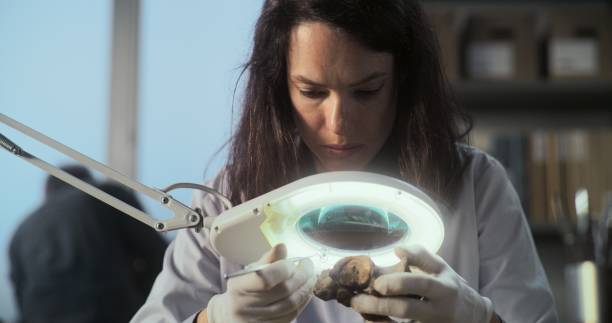
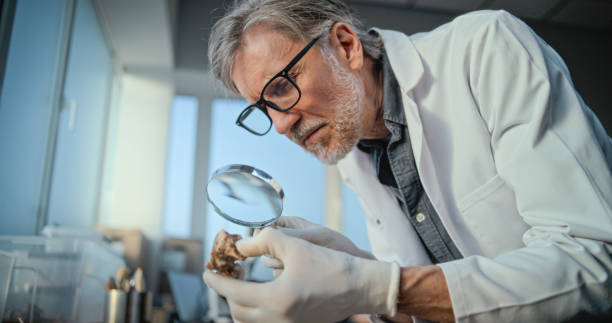
Morphologists are analytically skilled and research-driven individuals tasked with examining the morphology (form and structure) of organisms at macroscopic and microscopic levels to uncover insights into growth, adaptation, and evolutionary history. Their role includes conducting detailed observations, performing dissections or imaging, and documenting structural variations across species. They combine expertise in anatomy, histology, and evolutionary biology, working in diverse settings such as laboratories, field research sites, universities, and museums. As key contributors to biological sciences, Morphologists drive progress in a landscape increasingly focused on biodiversity conservation, medical advancements, and ecological sustainability.
Roles and Responsibilities
Roles and Responsibilities
- Structural Analysis and Observation
- Examine the physical form and structure of organisms using tools like microscopes, imaging systems, or dissections.
- Document anatomical features to identify patterns or differences across species or developmental stages.
- Research and Data Collection
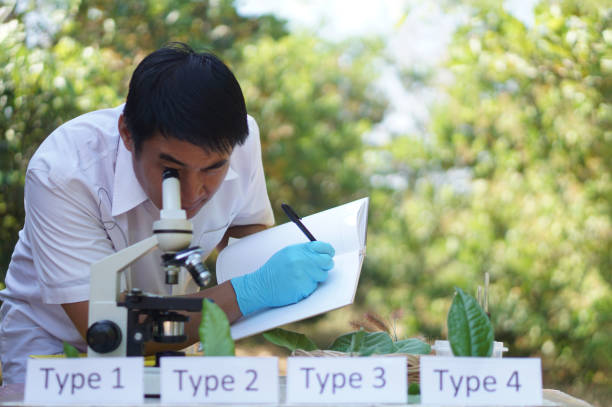
- Conduct field or lab-based studies to collect morphological data on plants, animals, or fossils.
- Analyze structural adaptations in relation to environmental or evolutionary pressures.
- Comparative Studies
- Compare morphologies across species to infer phylogenetic relationships or evolutionary trends.
- Study developmental morphology to understand how structures form during growth.
- Collaboration with Scientific Teams
- Work with geneticists, ecologists, or palaeontologists to integrate morphological data with genetic or environmental findings.
- Collaborate on projects involving biodiversity, conservation, or medical research.
- Publication and Reporting
- Write research papers, reports, or monographs to share morphological findings with the scientific community.
- Present research at conferences or seminars to educate peers or stakeholders.
- Specimen Preparation and Preservation
- Prepare biological specimens for study through techniques like fixation, staining, or sectioning.
- Maintain collections in museums or research facilities for long-term reference.
- Teaching and Mentorship
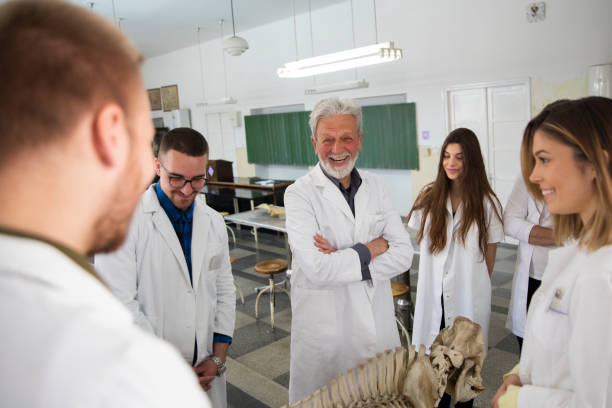
- Educate students or trainees in academic settings about morphology and related biological concepts.
- Mentor junior researchers in observation techniques and research design.
- Application in Applied Fields
- Apply morphological knowledge to fields like agriculture (plant structure for crop improvement), medicine (anatomy for diagnostics), or forensics (identification via skeletal remains).
- Contribute to conservation by studying structural adaptations in endangered species.