Overview
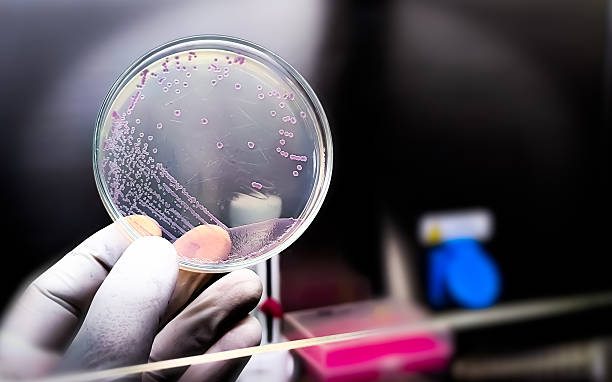
A Scientist applies principles of research, experimentation, and analysis to expand human knowledge and solve complex problems across various domains such as physics, chemistry, biology, environmental science, and technology. They work in diverse settings including academic institutions, government research organizations, private industries, and non-profit entities to develop new theories, technologies, and solutions that address societal needs. Scientists combine deep scientific understanding with critical thinking and innovation to contribute to advancements in healthcare, sustainability, space exploration, and beyond, ensuring progress through evidence-based discoveries.
Scientists are dedicated to exploring the unknown, conducting experiments, and developing insights that shape our understanding of the world. Their work involves designing research studies, collecting and analyzing data, and disseminating findings through publications or practical applications. They collaborate with interdisciplinary teams, including engineers, policymakers, and other researchers, to tackle global challenges like climate change, disease prevention, and technological innovation. Scientists also focus on ensuring ethical standards, securing funding for projects, and staying abreast of emerging trends to push the boundaries of their fields in laboratories, field studies, or computational environments.
Roles and Responsibilities
💼
Scientist
Roles and Responsibilities
Research Design and Execution
Develop hypotheses and design experiments to test scientific theories.
Conduct research using advanced tools, methodologies, and technologies.
Data Collection and Analysis
Gather data through experiments, observations, or simulations.
Analyze results using statistical software and draw evidence-based conclusions.
Publication and Dissemination
Write research papers and reports for peer-reviewed journals.
Present findings at conferences, seminars, and public forums.
Funding and Grant Proposals
Prepare and submit proposals to secure funding from government, industry, or academic sources.
Manage budgets and resources for research projects.
Collaboration and Interdisciplinary Work
Work with other scientists, engineers, and professionals on joint projects.
Contribute to team efforts in solving multifaceted scientific problems.
Innovation and Application
Develop new technologies, products, or processes based on research outcomes.
Apply findings to real-world issues like medical treatments or environmental solutions.
Ethical and Safety Standards
Ensure compliance with ethical guidelines in research practices.
Adhere to safety protocols in lab and field environments.
Mentorship and Education
Train and guide students or junior researchers in academic or industry settings.
Teach courses or deliver lectures to share knowledge and inspire future scientists.
Roles and Responsibilities
- Research Design and Execution
- Develop hypotheses and design experiments to test scientific theories.
- Conduct research using advanced tools, methodologies, and technologies.
- Data Collection and Analysis
- Gather data through experiments, observations, or simulations.
- Analyze results using statistical software and draw evidence-based conclusions.
- Publication and Dissemination
- Write research papers and reports for peer-reviewed journals.
- Present findings at conferences, seminars, and public forums.
- Funding and Grant Proposals
- Prepare and submit proposals to secure funding from government, industry, or academic sources.
- Manage budgets and resources for research projects.
- Collaboration and Interdisciplinary Work
- Work with other scientists, engineers, and professionals on joint projects.
- Contribute to team efforts in solving multifaceted scientific problems.
- Innovation and Application
- Develop new technologies, products, or processes based on research outcomes.
- Apply findings to real-world issues like medical treatments or environmental solutions.
- Ethical and Safety Standards
- Ensure compliance with ethical guidelines in research practices.
- Adhere to safety protocols in lab and field environments.
- Mentorship and Education
- Train and guide students or junior researchers in academic or industry settings.
- Teach courses or deliver lectures to share knowledge and inspire future scientists.
Study Route & Eligibility Criteria
Study Route & Eligibility Criteria
Scientist
Route 1
🎓
1
10+2 with Physics, Chemistry, Mathematics/Biology stream.
🏛️
2
B.Sc. in Physics, Chemistry, Biology, or related fields.
3 yrs
💼
3
Research internships or lab training during undergraduate studies.
💼
4
Optional M.Sc. for specialization and career advancement.
2 yrs
Route 2
🎓
1
10+2 with Physics, Chemistry, Mathematics/Biology stream.
🏛️
2
B.Sc. in a specific science discipline .
3 yrs
📚
3
M.Sc. in a specialized scientific field.
2 yrs
💼
4
Research projects and practical lab experience.
🌍
5
Optional PhD for research and academic roles.
3-5 yrs
Route 3
🎓
1
10+2 with Physics, Chemistry, Mathematics/Biology stream.
🏛️
2
B.Tech/B.E. in Biotechnology, Environmental Engineering, or related fields.
4 yrs
📚
3
M.Tech/M.Sc. specializing in a scientific domain.
2 yrs
🌍
4
Professional certifications and hands-on research training.
💼
5
Industry or academic research experience.
Route 4
🎓
1
10+2 with Physics, Chemistry, Mathematics/Biology stream.
🏛️
2
Bachelor's degree in Science or Engineering .
3-4 yrs
🎓
3
Master's in a specialized scientific field.
2 yrs
💼
4
PhD in a specific area of research.
3-5 yrs
🌍
5
Postdoctoral research and advanced training.
📋
6
Research publications and collaboration with scientific communities.
🎯
Scientist - Professional
Significant Observations (Academic Related Points)
💡
Scientist
Academic Related Points
1
Entrance Exam Requirements
JEE Main/Advanced for engineering-related science programs in India, GATE for postgraduate studies, NET for research fellowships, and GRE for international programs.
2
Strong Scientific Foundation
Requires a deep understanding of fundamental sciences and research methodologies.
3
Practical Skills Essential
Hands-on experience in labs, fieldwork, or computational modeling is critical for success.
4
Software Proficiency Required
Mastery of data analysis tools like MATLAB, R, and Python is increasingly important.
5
Advanced Education Preferred
Postgraduate degrees (M.Sc./PhD) enhance opportunities in specialized research and leadership roles.
6
Interdisciplinary Knowledge
Combines expertise from multiple fields like biology, technology, and data science.
7
Continuous Learning Necessity
Rapid advancements in science require staying updated with emerging fields like AI and genomics.
8
Research Exposure Valued
Internships, projects, and publications significantly boost employability and credibility.
Internships & Practical Exposure
💼
Scientist
Internships & Practical Experience
1
Research placements in laboratories or scientific institutions.
2
Hands-on projects in experimental design and data analysis.
3
Training with advanced scientific equipment and software tools.
4
Exposure to fieldwork in areas like environmental or biological studies.
5
Participation in research conferences and symposiums.
6
Collaboration with academic or industry research teams in real-world settings.
7
Attendance at science expos and innovation workshops.
8
Involvement in ethical reviews and compliance training.
9
Experience with grant writing and research proposal development.
10
Engagement in collaborative research initiatives or open science projects.
Courses & Specializations to Enter the Field
📚
Scientist
Courses & Specializations
📖
Bachelor’s degrees in Physics, Chemistry, Biology, Biotechnology, or Engineering.
📖
Master’s and PhD programs in specialized fields like Astrophysics, Molecular Biology, or Environmental Science.
📖
Courses in Research Methodology, Statistics, and Data Analysis.
📖
Training in Scientific Software and Computational Modeling Tools.
📖
Certifications in Bioinformatics, Genetic Engineering, or Climate Modeling.
📖
Laboratory Safety and Ethical Research Practices modules.
📖
Science Communication and Grant Writing workshops.
📖
Specializations in Artificial Intelligence for Science or Quantum Computing.
📖
Research Fellowships and Cooperative Education Programs.
📖
Professional Development and Industry Certifications (e.g., Certified Laboratory Scientist).
Prominent Employers
🏢
Scientist
🌟 Top Companies & Organizations
🇮🇳 India
🏛️
Indian Space Research Organisation (ISRO)
🏛️
Council of Scientific and Industrial Research (CSIR)
🏛️
Department of Biotechnology (DBT)
🏛️
Indian Council of Medical Research (ICMR)
🏛️
Tata Institute of Fundamental Research (TIFR)
🏛️
Bhabha Atomic Research Centre (BARC)
🏛️
National Centre for Biological Sciences (NCBS)
🏛️
Defence Research and Development Organisation (DRDO)
🏛️
National Institute of Oceanography (NIO)
🏛️
Jawaharlal Nehru Centre for Advanced Scientific Research (JNCASR)
🌍 International
🌐
NASA (National Aeronautics and Space Administration)
🌐
European Organization for Nuclear Research (CERN)
🌐
Pfizer
🌐
Johnson & Johnson
🌐
GlaxoSmithKline (GSK)
🌐
Moderna
🌐
AstraZeneca
🌐
Novartis
🌐
Roche
🌐
Merck
Advice for Aspiring Scientists
💡
Scientist
🌟 Tips for Students & Parents
1
Build a strong foundation in core sciences like physics, chemistry, and biology during early education.
2
Pursue hands-on experience through lab work, internships, or research projects in scientific fields.
3
Develop proficiency in data analysis tools, statistical software, and experimental methodologies.
4
Stay updated with emerging trends in areas like artificial intelligence, biotechnology, and climate science.
5
Participate in science fairs, conferences, and seminars for networking and exposure to new ideas.
6
Consider certifications or specialized training in niche areas like genetic engineering or astrophysics.
7
Focus on developing critical thinking and problem-solving skills for innovative research.
8
Pursue postgraduate education (Master’s or PhD) for advanced research opportunities and credibility.
9
Cultivate communication skills to present findings through papers, lectures, and grant proposals.
10
Maintain a commitment to ethical practices and safety standards in scientific research.
🎓 Final Message
A career as a Scientist offers the unique opportunity to explore the frontiers of knowledge and create solutions that impact humanity on a global scale. From unraveling the mysteries of the cosmos to developing life-saving medical treatments, Scientists drive progress through curiosity, rigor, and innovation. This field combines intellectual challenge with the potential for profound societal influence, providing diverse paths in pure research, applied science, policy advising, and education. For those passionate about discovery and solving real-world problems with evidence-based approaches, a career in science offers a dynamic and fulfilling journey with immense potential in an ever-evolving world of innovation.